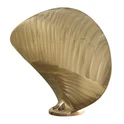
The cost of a marine propeller is a multifaceted topic that encompasses a wide range of factors. As a dedicated marine propeller supplier, I've had the privilege of delving deep into the intricacies of propeller manufacturing, and I'm excited to share my insights on what goes into determining the cost of these essential marine components.
Understanding the Basics of Marine Propellers
Before we dive into the cost factors, let's briefly understand what a marine propeller is. A marine propeller is a rotating device with blades that converts rotational power into thrust, enabling a vessel to move through water. It is a crucial component of any watercraft, from small fishing boats to large cargo ships and naval vessels.
Marine propellers come in various types, including fixed-pitch propellers, controllable-pitch propellers, and ducted propellers. Each type has its own design, functionality, and cost implications.
Factors Affecting the Cost of Marine Propellers
1. Material
The material used to manufacture a marine propeller is one of the most significant cost determinants. Common materials include bronze, stainless steel, and composite materials.
- Bronze: Bronze is a popular choice due to its excellent corrosion resistance, good casting properties, and relatively high strength. It is also cost-effective for medium-sized propellers. However, the price of bronze can fluctuate depending on the market price of copper and tin, which are its primary components.
- Stainless Steel: Stainless steel propellers offer superior corrosion resistance, especially in saltwater environments. They are also more durable and can withstand higher stresses. However, stainless steel is generally more expensive than bronze, and the manufacturing process can be more complex, adding to the overall cost.
- Composite Materials: Composite propellers are made from a combination of materials such as fiberglass, carbon fiber, and resin. They are lightweight, which can improve fuel efficiency, and offer excellent performance. However, composite materials are relatively new in the marine industry, and the manufacturing process is more specialized, making them more expensive than traditional metal propellers.
2. Size and Design
The size and design of a marine propeller have a direct impact on its cost. Larger propellers require more material and more complex manufacturing processes, which can significantly increase the cost.


- Diameter and Pitch: The diameter of a propeller is the distance from the tip of one blade to the tip of the opposite blade. The pitch is the distance the propeller would move forward in one revolution if there were no slippage. Larger diameters and higher pitches generally require more material and more precise machining, which can increase the cost.
- Blade Shape and Number: The shape and number of blades also affect the cost. Propellers with more blades or complex blade shapes can provide better performance, but they are more difficult to manufacture, which can increase the cost.
3. Manufacturing Process
The manufacturing process of a marine propeller can vary depending on the material and design. Common manufacturing processes include casting, machining, and forging.
- Casting: Casting is a common method for manufacturing bronze and some stainless steel propellers. It involves pouring molten metal into a mold to create the desired shape. The cost of casting depends on the complexity of the mold and the size of the propeller.
- Machining: Machining is used to finish the propeller after casting or for manufacturing propellers from solid material. It involves using cutting tools to remove material and create the final shape. Machining can be a time-consuming and expensive process, especially for complex designs.
- Forging: Forging is a process in which the metal is heated and shaped under pressure. Forged propellers are generally stronger and more durable than cast or machined propellers. However, the forging process is more complex and expensive, and it is typically used for high-performance or large-scale propellers.
4. Application and Performance Requirements
The application and performance requirements of a marine propeller also play a role in determining its cost.
- Commercial Vessels: Propellers for commercial vessels, such as cargo ships and tankers, need to be designed for high efficiency and durability. They often require large sizes and complex designs, which can increase the cost.
- Recreational Boats: Propellers for recreational boats, such as yachts and fishing boats, may have different performance requirements. They may need to provide good acceleration, maneuverability, and fuel efficiency. The cost of propellers for recreational boats can vary depending on the size and type of the boat.
- Military Vessels: Propellers for military vessels, such as Mine Hunting Sweeper Propeller, require high performance, reliability, and stealth capabilities. They often use advanced materials and manufacturing processes, which can make them significantly more expensive than propellers for commercial or recreational vessels.
Examples of Marine Propeller Costs
To give you a better idea of the cost range, here are some examples of marine propeller costs based on different sizes and applications:
- Small Recreational Boats: For small recreational boats with engines up to 50 horsepower, a bronze propeller can cost anywhere from $200 to $1,000, depending on the size and design. A stainless steel propeller for the same type of boat can cost between $500 and $2,000.
- Medium-Sized Yachts: Medium-sized yachts with engines ranging from 100 to 500 horsepower may require propellers that cost between $2,000 and $10,000. The cost can vary depending on the material, size, and design of the propeller.
- Large Commercial Vessels: Large commercial vessels, such as cargo ships and tankers, can require propellers that cost hundreds of thousands of dollars. For example, a 5 Meter Cruise Ship Propeller can cost upwards of $200,000, depending on the material and design.
The Value of a Quality Marine Propeller
While the cost of a marine propeller is an important consideration, it's essential to remember that a quality propeller can provide significant long-term benefits. A well-designed and properly manufactured propeller can improve fuel efficiency, reduce maintenance costs, and enhance the overall performance of the vessel.
- Fuel Efficiency: A high-quality propeller can be designed to optimize the vessel's speed and fuel consumption. By reducing the amount of fuel needed to operate the vessel, a quality propeller can save the owner a significant amount of money over the life of the vessel.
- Maintenance Costs: A durable propeller made from high-quality materials can withstand the harsh marine environment and require less maintenance. This can reduce the downtime of the vessel and save on maintenance costs.
- Performance and Safety: A well-designed propeller can provide better maneuverability, acceleration, and stability, which can enhance the safety and performance of the vessel. This is especially important for commercial and military vessels, where performance and safety are critical.
Conclusion
In conclusion, the cost of a marine propeller is determined by a variety of factors, including material, size and design, manufacturing process, and application requirements. As a Marine Propeller supplier, we understand the importance of providing high-quality propellers at competitive prices. We work closely with our customers to understand their specific needs and provide customized solutions that meet their requirements and budget.
If you're in the market for a marine propeller, we invite you to contact us for a detailed quote. Our team of experts will be happy to assist you in selecting the right propeller for your vessel and provide you with all the information you need to make an informed decision.
References
- "Marine Propellers: Design, Analysis, and Applications" by John Carlton
- "The Handbook of Marine Craft Hydrodynamics and Motion Control" by Thor I. Fossen