As a supplier of ferry boat propellers, I've witnessed firsthand how these seemingly simple components can have a profound impact on a ferry's maneuverability. In this blog post, I'll delve into the science behind ferry boat propellers and explore how they influence a vessel's ability to navigate through water efficiently and safely.
The Basics of Ferry Boat Propellers
Before we discuss how propellers affect maneuverability, let's first understand the basic principles of how they work. A ferry boat propeller is a rotating device with blades that convert the engine's power into thrust, propelling the boat forward or backward. The shape, size, and number of blades on a propeller can vary depending on the specific requirements of the ferry, such as its size, speed, and intended use.
The most common type of ferry boat propeller is the fixed-pitch propeller, which has blades with a constant angle of attack. This type of propeller is simple and reliable, making it a popular choice for many ferry operators. However, fixed-pitch propellers have limitations when it comes to maneuverability, as they are designed to operate most efficiently at a specific speed and load.
To overcome these limitations, some ferry boats are equipped with adjustable-pitch propellers, which allow the angle of the blades to be changed while the propeller is in operation. This enables the ferry to adjust its thrust and speed more precisely, improving its maneuverability in different conditions. Adjustable-pitch propellers are particularly useful for ferries that operate in congested waterways or need to make frequent stops and starts.
How Propellers Affect Maneuverability
Now that we understand the basics of ferry boat propellers, let's explore how they affect a ferry's maneuverability. There are several key factors to consider, including thrust, torque, and cavitation.
Thrust
Thrust is the force that propels the ferry forward or backward. The amount of thrust generated by a propeller depends on several factors, including the size and shape of the blades, the speed of rotation, and the density of the water. A larger propeller with more blades will generally generate more thrust than a smaller propeller with fewer blades, but it will also require more power to operate.
In addition to the amount of thrust, the direction of the thrust can also affect a ferry's maneuverability. Most ferry boats are equipped with a single propeller, which generates thrust in a straight line. However, some ferries are equipped with multiple propellers, which can be used to generate thrust in different directions. This allows the ferry to turn more quickly and easily, improving its maneuverability in tight spaces.
Torque
Torque is the rotational force that is applied to the propeller shaft. The amount of torque generated by a propeller depends on several factors, including the size and shape of the blades, the speed of rotation, and the load on the propeller. A larger propeller with more blades will generally generate more torque than a smaller propeller with fewer blades, but it will also require more power to operate.
Torque can have a significant impact on a ferry's maneuverability, as it can cause the ferry to yaw or turn in the opposite direction of the propeller's rotation. This is known as propeller torque effect, and it can be particularly noticeable when the ferry is accelerating or decelerating. To counteract the propeller torque effect, some ferries are equipped with a rudder or other steering device that can be used to adjust the ferry's direction.
Cavitation
Cavitation is a phenomenon that occurs when the pressure of the water around the propeller blades drops below the vapor pressure of the water. This causes the water to boil, forming bubbles that can collapse and cause damage to the propeller blades. Cavitation can have a significant impact on a ferry's maneuverability, as it can reduce the efficiency of the propeller and cause vibration and noise.
To prevent cavitation, ferry boat propellers are designed with special blade shapes and materials that are resistant to cavitation. In addition, ferry operators can take steps to reduce the risk of cavitation, such as avoiding high speeds and heavy loads, and maintaining the propeller blades in good condition.
Choosing the Right Propeller for Your Ferry
Choosing the right propeller for your ferry is essential for ensuring optimal maneuverability and performance. There are several factors to consider when selecting a propeller, including the size and type of your ferry, the intended use of the ferry, and the operating conditions.
If you operate a small ferry that operates in calm waters, a fixed-pitch propeller may be sufficient. However, if you operate a larger ferry that operates in congested waterways or needs to make frequent stops and starts, an adjustable-pitch propeller may be a better choice. Adjustable-pitch propellers offer greater flexibility and control, allowing you to adjust the thrust and speed of the ferry more precisely.
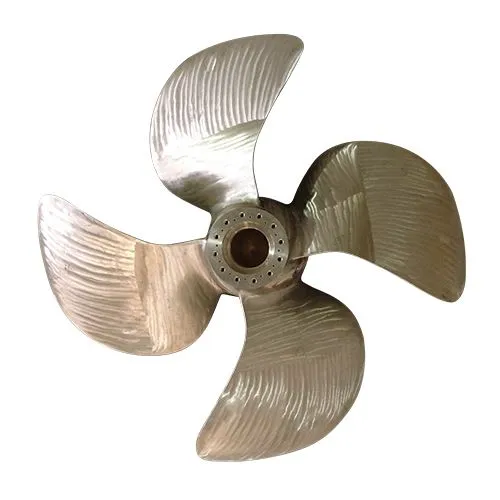
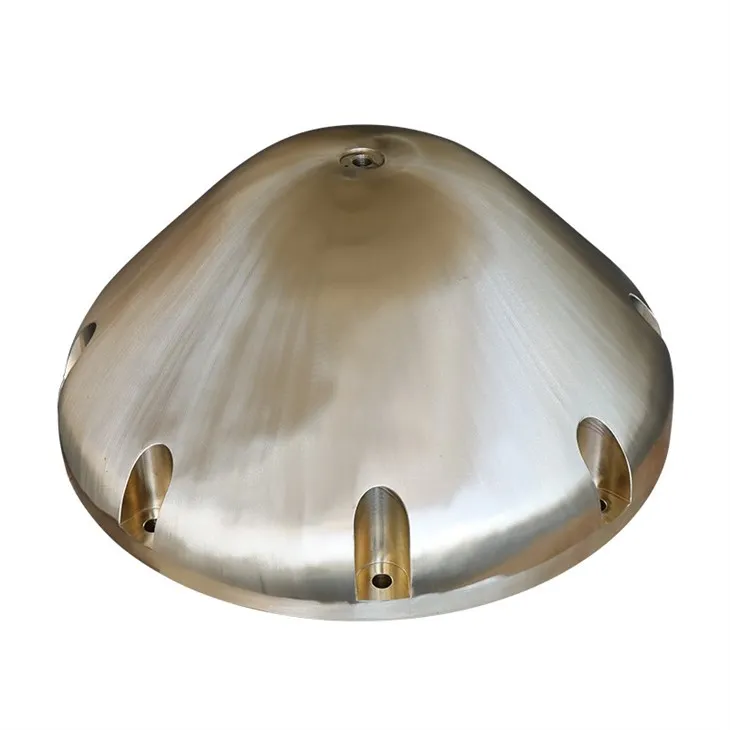
In addition to the type of propeller, you should also consider the size and shape of the blades. A larger propeller with more blades will generally generate more thrust and torque, but it will also require more power to operate. A smaller propeller with fewer blades will be more efficient, but it may not generate enough thrust and torque for your ferry.
At our company, we offer a wide range of ferry boat propellers to meet the needs of different ferry operators. Our Ftandem Propeller is a popular choice for ferries that require high efficiency and maneuverability. It features a unique design that combines the benefits of a fixed-pitch propeller with the flexibility of an adjustable-pitch propeller.
Our Adaptive Pitch Bulker Propeller and Adaptive Pitch Bulk Carrier Propeller are also popular choices for ferries that operate in heavy loads and challenging conditions. These propellers are designed to provide maximum thrust and efficiency, while also reducing the risk of cavitation and vibration.
Conclusion
In conclusion, ferry boat propellers play a crucial role in a ferry's maneuverability and performance. By understanding the basic principles of how propellers work and how they affect a ferry's maneuverability, ferry operators can make informed decisions when selecting a propeller for their vessel.
At our company, we are committed to providing high-quality ferry boat propellers that are designed to meet the needs of different ferry operators. Whether you need a fixed-pitch propeller or an adjustable-pitch propeller, we have the expertise and experience to help you choose the right propeller for your ferry.
If you are interested in learning more about our ferry boat propellers or would like to discuss your specific requirements, please contact us today. We would be happy to answer any questions you may have and provide you with a free quote.
References
- Carlton, J. S. (2007). Marine Propellers and Propulsion. Butterworth-Heinemann.
- Schneekluth, H., & Bertram, V. (1998). Ship Design for Efficiency and Economy. Butterworth-Heinemann.
- van Lammeren, E. R., et al. (1969). Resistance and Propulsion of Ships. Elsevier.