


As a seasoned supplier of bulk carrier propellers, I understand the critical role these components play in the smooth and efficient operation of bulk carriers. A well - maintained propeller not only ensures the vessel's performance but also contributes to its safety and longevity. In this blog, I'll share the key inspection items for a bulk carrier propeller during operation.
1. Visual Inspection
Visual inspection is the first and most straightforward step in assessing the condition of a bulk carrier propeller. This inspection can be carried out both during regular maintenance stops and through underwater surveys.
-
Surface Condition: Check for any signs of corrosion, pitting, or cracks on the propeller blades. Corrosion can weaken the structure of the propeller over time, while cracks can lead to catastrophic failure if not detected early. For instance, saltwater exposure can cause electrochemical corrosion, which often starts as small pits on the blade surface. If these pits are not addressed, they can expand and eventually compromise the integrity of the blade.
-
Blade Shape: Ensure that the propeller blades maintain their original shape. Any deformation, such as bending or twisting, can significantly affect the propeller's performance. Deformed blades may cause vibrations, reduced thrust, and increased fuel consumption. For example, if a blade is bent due to a collision with an underwater object, it will disrupt the smooth flow of water around the propeller, leading to inefficiencies.
-
Leading and Trailing Edges: Examine the leading and trailing edges of the blades. These areas are particularly vulnerable to damage from debris in the water. A damaged leading edge can disrupt the flow of water onto the blade, while a damaged trailing edge can cause turbulence, reducing the propeller's efficiency.
2. Dimensional Inspection
Accurate dimensions are crucial for the proper functioning of a bulk carrier propeller. Dimensional inspection helps ensure that the propeller meets the design specifications.
-
Diameter: Measure the diameter of the propeller to ensure it is within the acceptable tolerance range. A propeller with an incorrect diameter can lead to improper thrust generation and may cause excessive stress on the propulsion system. For example, if the diameter is too small, the propeller may not be able to generate enough thrust to move the vessel at the desired speed.
-
Pitch: The pitch of a propeller determines how far the vessel will move forward with each revolution of the propeller. Measuring the pitch at multiple points along the blade is essential to ensure uniformity. A non - uniform pitch can cause vibrations and uneven wear on the propeller blades.
-
Thickness: Check the thickness of the propeller blades, especially at critical areas such as the root and the tip. A decrease in blade thickness can indicate wear or corrosion, which may compromise the structural integrity of the propeller.
3. Balance Inspection
A balanced propeller is essential for smooth operation and to prevent excessive vibrations that can damage the propulsion system and the vessel itself.
-
Static Balance: Static balance refers to the distribution of mass around the propeller's axis of rotation. An unbalanced propeller can cause the vessel to vibrate, especially at higher speeds. To check static balance, the propeller is placed on a balancing stand, and any uneven distribution of mass can be detected. If an imbalance is found, weights can be added or removed from specific locations on the propeller to correct it.
-
Dynamic Balance: Dynamic balance takes into account the forces acting on the propeller during rotation. This type of balance is more complex to measure and often requires specialized equipment. A propeller that is dynamically unbalanced can cause severe vibrations, leading to premature wear of bearings, shafts, and other components of the propulsion system.
4. Cavitation Inspection
Cavitation is a common problem in propellers, especially in high - speed or high - load conditions. Cavitation occurs when the pressure of the water around the propeller blade drops below the vapor pressure, causing the formation of vapor bubbles. When these bubbles collapse, they can cause damage to the blade surface.
-
Cavitation Erosion: Look for signs of cavitation erosion on the propeller blades, such as pitting, peeling, or the removal of material. Cavitation erosion can weaken the blade structure and reduce the propeller's efficiency. For example, if cavitation occurs on the leading edge of a blade, it can disrupt the flow of water and reduce the thrust generated by the propeller.
-
Cavitation Pattern: Analyze the cavitation pattern on the propeller blades. A normal cavitation pattern should be evenly distributed across the blade surface. An abnormal pattern, such as excessive cavitation in one area, may indicate a problem with the propeller design, installation, or operating conditions.
5. Shaft and Hub Inspection
The shaft and hub connect the propeller to the vessel's propulsion system, and their proper functioning is essential for the overall performance of the propeller.
-
Shaft Alignment: Check the alignment of the propeller shaft to ensure that it is straight and properly connected to the propulsion system. Misaligned shafts can cause excessive vibrations, increased wear on bearings, and reduced propeller efficiency. For example, if the shaft is misaligned, the propeller may not rotate smoothly, leading to uneven thrust generation.
-
Hub Condition: Inspect the hub of the propeller for any signs of damage, such as cracks or corrosion. The hub is the part of the propeller that connects to the shaft, and any damage to the hub can affect the connection between the propeller and the shaft, leading to potential failure.
6. Material Analysis
Material analysis can provide valuable information about the condition of the propeller and help detect any potential issues.
-
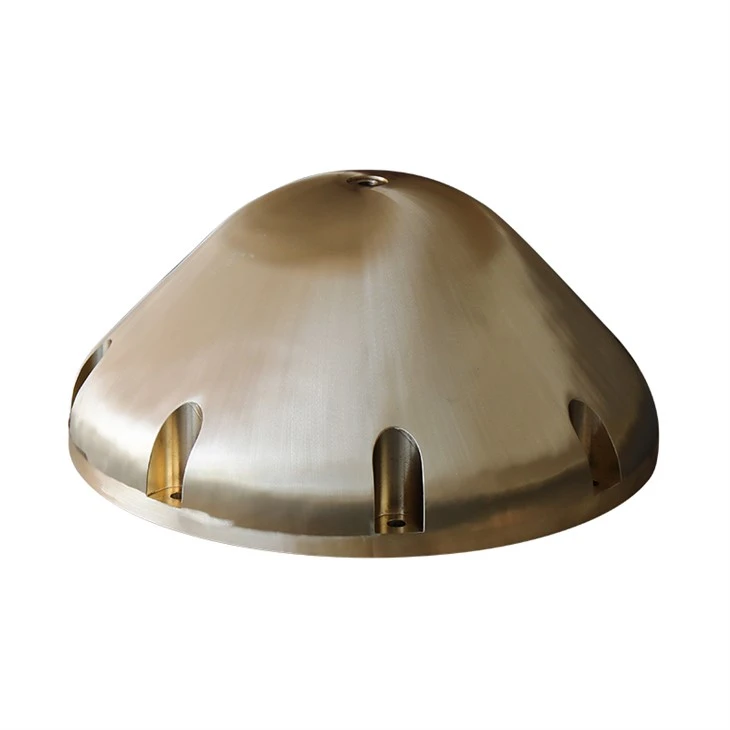
Hardness Testing: Conduct hardness testing on the propeller blades to ensure that the material has the appropriate hardness. A change in hardness can indicate heat treatment issues, wear, or corrosion. For example, if the hardness of a blade is too low, it may be more susceptible to wear and damage.

-
Chemical Composition Analysis: Analyze the chemical composition of the propeller material to ensure that it meets the design specifications. A change in the chemical composition can affect the material's properties, such as its strength and corrosion resistance.
7. Performance Monitoring
Monitoring the performance of the propeller during operation can provide real - time information about its condition.
-
Thrust and Power Consumption: Measure the thrust generated by the propeller and the power consumption of the propulsion system. A decrease in thrust or an increase in power consumption may indicate a problem with the propeller, such as damage, fouling, or incorrect pitch.
-
Vibration Monitoring: Continuously monitor the vibrations of the propeller and the propulsion system. Excessive vibrations can be a sign of an unbalanced propeller, misaligned shaft, or other mechanical problems.
At our company, we offer a wide range of high - quality bulk carrier propellers, including the [3 M Propeller for Bulk Carrie](/fixed - pitch - propeller/bulk - carrier - propeller/3 - m - propeller - for - bulk - carrie.html), [Platform Supply Vessel Propeller](/fixed - pitch - propeller/bulk - carrier - propeller/platform - supply - vessel - propeller.html), and [4 M Propeller for Bulk Carrie](/fixed - pitch - propeller/bulk - carrier - propeller/4 - m - propeller - for - bulk - carrie.html). Our propellers are designed and manufactured to meet the highest standards, ensuring optimal performance and reliability.
If you are in the market for a new bulk carrier propeller or need to have your existing propeller inspected and maintained, we invite you to contact us for a detailed discussion. Our team of experts is ready to assist you in finding the best solution for your specific needs.
References
- "Marine Propellers and Propulsion" by J. Carlton
- "Principles of Naval Architecture" by Society of Naval Architects and Marine Engineers


