


Hey there! I'm a supplier of bulk carrier propellers, and today I wanna chat about the materials used to make these crucial components. Bulk carrier propellers are no joke – they need to be tough, durable, and efficient to keep these massive ships moving through the water. So, let's dive into the materials that make it all happen.
Bronze Alloys
One of the most common materials for bulk carrier propellers is bronze alloys. Bronze is an alloy mainly composed of copper and tin, but it can also have other elements like nickel, manganese, and aluminum. Why is bronze so popular? Well, it has some great properties.
First off, bronze is highly resistant to corrosion. When a propeller is constantly in contact with seawater, corrosion can be a real problem. Saltwater is pretty harsh and can eat away at metals over time. But bronze can stand up to this corrosive environment, which means the propeller will last longer and perform better.
Secondly, bronze has good strength and ductility. Strength is important because the propeller has to withstand the high forces generated as it pushes the ship through the water. Ductility, on the other hand, allows the propeller to bend a little without breaking. This is useful when the propeller hits something in the water, like a floating log or a small object. It can absorb the impact and still keep working.

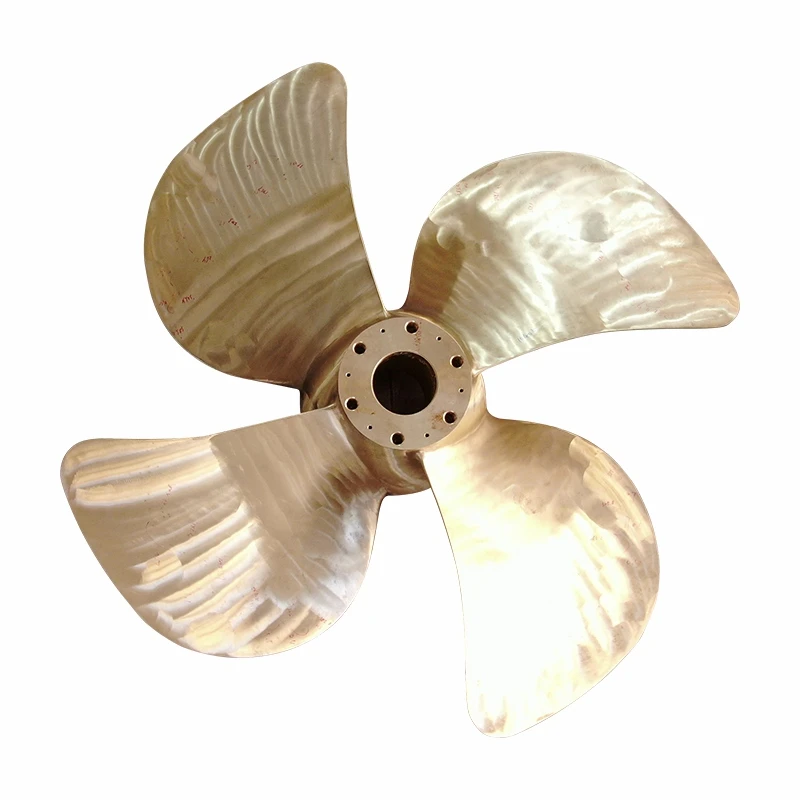
At our company, we offer different types of bronze alloys for our propellers. Each alloy has its own unique combination of properties, so we can customize the propeller to meet the specific needs of our customers. For example, some alloys might be better for high - speed bulk carriers, while others are more suitable for slower, heavier vessels. If you're interested in our bronze - made Platform Supply Vessel Propeller, just let us know!
Stainless Steel
Stainless steel is another material that's used in making bulk carrier propellers. Stainless steel is an alloy of iron, chromium, and sometimes other elements like nickel and molybdenum.
The big advantage of stainless steel is its excellent corrosion resistance. In fact, it's even more resistant to corrosion than some bronze alloys in certain environments. This makes it a great choice for bulk carriers that operate in very harsh or polluted waters.
Stainless steel also has high strength. It can handle the heavy loads and stresses that come with propelling a large bulk carrier. And it has good fatigue resistance, which means it can withstand repeated loading and unloading cycles without cracking or failing.
However, stainless steel is more expensive than bronze, and it can be a bit more difficult to machine. But for customers who need a propeller with the highest level of corrosion resistance and long - term durability, stainless steel is a top - notch option. We have some great 5 M Propeller for Bulk Carrie made of stainless steel. They're built to last and perform at their best.
Composite Materials
In recent years, composite materials have started to gain popularity in the propeller manufacturing industry. Composites are made by combining two or more different materials to get the best properties of each.
One common type of composite used for propellers is a combination of a fiber - reinforced polymer matrix. The fibers, such as carbon fibers or glass fibers, provide strength and stiffness, while the polymer matrix holds the fibers together and protects them from the environment.
Composite propellers have several advantages. They're lightweight, which means they can reduce the overall weight of the ship. This can lead to better fuel efficiency and lower operating costs. They also have excellent vibration - damping properties, which can make the ship's operation smoother and more comfortable for the crew.
But there are also some challenges with composite propellers. They're relatively new in the market, so there's still a lot of research and development going on. And they can be more difficult to repair if they get damaged compared to metal propellers. At our company, we're keeping an eye on the latest developments in composite materials and are ready to offer composite - made propellers to our customers as the technology matures.
Cast Iron (in Some Cases)
In some older or smaller bulk carriers, cast iron might still be used to make propellers. Cast iron is a relatively inexpensive material, and it's easy to cast into complex shapes.
However, cast iron has some limitations. It's not as corrosion - resistant as bronze or stainless steel, so it needs to be properly coated or protected to prevent rusting. It also has lower strength and ductility compared to other materials, which means it might not be suitable for large or high - performance bulk carriers.
We don't usually recommend cast iron for modern bulk carriers, but if a customer has a specific need or a budget constraint, we can still provide cast - iron propellers. Our 3 M Propeller for Bulk Carrie can be made with cast iron if that's what you're looking for.
Factors Influencing Material Selection
When it comes to choosing the right material for a bulk carrier propeller, there are several factors to consider.
The first factor is the operating environment. If the ship operates in warm, tropical waters with high salinity, a more corrosion - resistant material like stainless steel or a high - grade bronze alloy might be the best choice. On the other hand, if the ship operates in colder, less salty waters, a less expensive material like bronze or even cast iron might be sufficient.
The size and type of the bulk carrier also matter. Larger ships need propellers with higher strength and durability, so materials like stainless steel or high - quality bronze alloys are usually preferred. Smaller ships might be able to get away with a less expensive material like cast iron or a more basic bronze alloy.
Cost is always a consideration. Some materials, like stainless steel and composite materials, are more expensive than others. Customers need to balance the cost of the propeller with its performance and durability. At our company, we work closely with our customers to understand their budget and requirements and recommend the most cost - effective material for their propellers.
Conclusion
So, there you have it – the main materials used to make bulk carrier propellers. Whether it's bronze alloys for their corrosion resistance and strength, stainless steel for its excellent durability, composite materials for their lightweight and vibration - damping properties, or in some cases, cast iron for its affordability, each material has its own pros and cons.
If you're in the market for a bulk carrier propeller, we're here to help. We have a wide range of propellers made from different materials to meet your specific needs. Whether you need a Platform Supply Vessel Propeller, a 5 M Propeller for Bulk Carrie, or a 3 M Propeller for Bulk Carrie, we can provide you with high - quality products. Just reach out to us, and let's start a conversation about your propeller needs. We're looking forward to working with you!
References
- "Marine Propeller Design and Technology" - A comprehensive book on the design and materials of marine propellers.
- Various industry journals and research papers on marine engineering and materials science.


