Hey there! As a supplier of marine screw propellers, I often get asked about the lifespan of these crucial components. So, I thought I'd dive into this topic and share some insights with you.
First off, what exactly is a marine screw propeller? Well, it's the device that converts rotational power from an engine into thrust, propelling a vessel through the water. They come in all shapes and sizes, depending on the type of boat, its speed requirements, and other factors.
Now, let's talk about the lifespan. There's no one - size - fits - all answer to how long a typical marine screw propeller lasts. It can vary widely based on several key factors.
1. Material Quality
The material used to make the propeller plays a huge role. Propellers can be made from different materials such as bronze, stainless steel, or aluminum. Bronze is a popular choice because it's corrosion - resistant and has good strength. High - quality bronze propellers can last a long time, often 10 to 15 years or more, if properly maintained. Stainless steel propellers are even more durable and resistant to corrosion. They can potentially last 15 to 20 years or longer. On the other hand, aluminum propellers are more affordable but not as tough. They might only last 5 to 10 years, especially if they're used in harsh environments.
2. Operating Conditions
The environment in which the propeller operates has a significant impact on its lifespan. If a boat is used in saltwater, the propeller is exposed to corrosive elements. Saltwater can cause pitting and corrosion over time, which weakens the propeller. Boats that operate in areas with a lot of debris, like rocks, sand, or floating logs, are also at risk. Hitting these objects can cause dents, cracks, or even break the propeller blades. For example, a boat that frequently navigates shallow waters near the shore is more likely to encounter these hazards compared to one that sails in deep, open waters. In rough operating conditions, a propeller's lifespan could be cut in half or more.
3. Maintenance
Proper maintenance is crucial for extending the life of a marine screw propeller. Regular inspections are a must. You should check for signs of wear, such as blade erosion, cracks, or bent blades. If you notice any issues early on, you can often have the propeller repaired instead of replacing it. Cleaning the propeller after each use can also prevent the buildup of marine growth, which can affect its performance and cause additional stress. Lubricating the propeller shaft and other moving parts as recommended by the manufacturer is another important step. A well - maintained propeller can easily last several years longer than one that's neglected.
4. Usage Frequency
How often a boat is used also matters. A propeller on a commercial vessel that's in use every day will experience more wear and tear compared to one on a recreational boat that's only used a few times a year. The constant rotation, exposure to water, and stress from pushing the boat through the water take a toll over time. So, a high - usage propeller might need to be replaced sooner, maybe every 5 to 10 years, while a low - usage one could last 15 years or more.
Specific Types of Propellers and Their Lifespans
There are different types of marine screw propellers, each with its own characteristics and potential lifespan.
Fixed - Pitch Propellers
These are the most common type of propellers. They have a set blade angle, which means they're designed for a specific range of operating conditions. Fixed - pitch propellers are generally quite durable. If made from good - quality materials and well - maintained, they can last 10 to 15 years. However, if they're used in challenging conditions or not maintained properly, their lifespan can be significantly reduced.
Controllable - Pitch Propellers
Controllable - pitch propellers allow the blade angle to be adjusted while the boat is in operation. This gives the vessel more flexibility in different operating conditions. But because they have more moving parts, they require more maintenance. A well - maintained controllable - pitch propeller can last 10 to 12 years, but issues with the pitch - control mechanism can shorten its lifespan.
Specialized Propellers
There are also specialized propellers for different types of boats. For example, the Catamaran Cruise Propeller is designed for catamarans, which have a different hull design and performance requirements compared to other boats. These propellers need to be carefully matched to the catamaran's specifications. If properly selected and maintained, they can last around 10 to 15 years. The Marble Boat Propeller is another specialized type, and its lifespan also depends on the same factors we've discussed, typically ranging from 8 to 12 years. And the Cruise Ship Propeller Underwater is used on large cruise ships. These propellers are massive and made from high - quality materials. With proper maintenance, they can last 15 to 20 years or more.
Signs That a Propeller Needs to be Replaced
Even if a propeller is within its expected lifespan, there are some signs that it might need to be replaced. If you notice a decrease in the boat's performance, such as slower speeds, reduced fuel efficiency, or vibrations while the boat is running, it could be a sign of a damaged propeller. Visible damage, like cracks, chips, or bent blades, is also a clear indication that the propeller needs attention. In some cases, if the propeller has been severely damaged, it might not be repairable, and a replacement is the only option.
Extending the Lifespan of Your Propeller
Here are some tips to help you get the most out of your marine screw propeller:
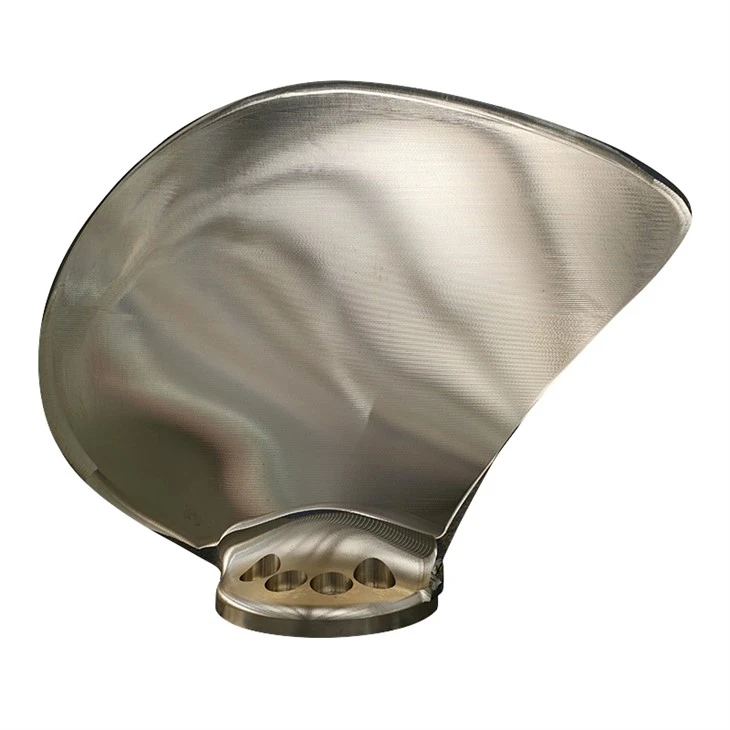

- Regular Inspections: Check the propeller for damage after every few outings. Look for signs of wear, corrosion, or any other issues.
- Proper Cleaning: Clean the propeller with fresh water after each use, especially if it's been in saltwater. This helps remove salt and other debris that can cause corrosion.
- Avoid Hazards: Try to avoid areas with a lot of debris or shallow waters where the propeller could hit rocks or other objects.
- Follow Maintenance Guidelines: Follow the manufacturer's recommendations for lubrication, blade adjustment, and other maintenance tasks.
Conclusion
So, as you can see, the lifespan of a typical marine screw propeller can vary widely depending on material quality, operating conditions, maintenance, and usage frequency. On average, a well - maintained propeller made from good - quality materials can last anywhere from 10 to 20 years. But it's important to keep an eye on your propeller's condition and address any issues promptly.
If you're in the market for a new marine screw propeller or have any questions about propeller lifespan and maintenance, don't hesitate to reach out. We're here to help you find the right propeller for your needs and ensure it lasts as long as possible. Whether you're a recreational boater or a commercial operator, we've got the expertise and the products to keep your vessel running smoothly. Let's start a conversation about your propeller requirements and see how we can work together.
References
- "Marine Propulsion Systems" by John Carlton
- "Handbook of Marine Craft Hydrodynamics and Motion Control" by Thor I. Fossen