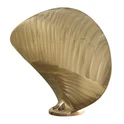
When it comes to yacht propulsion, the propeller plays a pivotal role in determining not only the vessel's performance but also its fuel consumption. As a supplier of 4 M propellers for yachts, I've delved deep into the intricate relationship between propeller design and fuel efficiency. In this blog post, I'll share insights into how a 4 M propeller can affect fuel consumption and why it matters for yacht owners.
Understanding the Basics of Propeller Function
Before we explore the impact on fuel consumption, let's briefly understand how a yacht propeller works. A propeller is essentially a rotating blade system that converts the engine's mechanical power into thrust. When the propeller rotates, it accelerates water backward, and according to Newton's third law of motion, the water exerts an equal and opposite force forward, propelling the yacht.
The size, shape, pitch, and number of blades are all critical factors that influence the propeller's efficiency. A 4 M propeller, with its relatively large diameter, is designed to handle the power output of larger yachts. It can generate more thrust compared to smaller propellers, which is crucial for moving heavy vessels through water.
The Impact of Propeller Size on Fuel Consumption
One of the primary ways a 4 M propeller affects fuel consumption is through its ability to match the yacht's power requirements. A properly sized propeller ensures that the engine operates at its optimal efficiency. If the propeller is too small, the engine may have to work harder to achieve the desired speed, leading to increased fuel consumption. On the other hand, a propeller that is too large can cause the engine to labor under excessive load, also resulting in poor fuel efficiency.
A 4 M propeller is typically designed to work in harmony with the yacht's engine and hull characteristics. It can efficiently transfer the engine's power to the water, allowing the yacht to achieve its maximum speed with the least amount of fuel. For example, in a large luxury yacht, a 4 M propeller can provide the necessary thrust to move the vessel smoothly through the water without overloading the engine. This results in a more efficient use of fuel, saving the owner money in the long run.
Propeller Design and Hydrodynamics
The design of a 4 M propeller also plays a significant role in fuel consumption. Modern propellers are designed using advanced hydrodynamic principles to minimize drag and maximize thrust. The shape of the blades, the pitch angle, and the blade profile all contribute to the propeller's efficiency.
For instance, a propeller with a well-designed blade profile can reduce cavitation, which is the formation of vapor bubbles in the water due to low pressure. Cavitation not only reduces the propeller's efficiency but also causes damage to the blades over time. By using a 4 M propeller with a carefully engineered blade profile, yacht owners can ensure that the propeller operates smoothly and efficiently, reducing fuel consumption and maintenance costs.
Another important aspect of propeller design is the number of blades. A 4 M propeller can have different numbers of blades, each with its own advantages and disadvantages. Generally, a propeller with more blades can provide more thrust at lower speeds, but it may also create more drag at higher speeds. On the other hand, a propeller with fewer blades may be more efficient at high speeds but may not provide enough thrust at low speeds. The choice of the number of blades depends on the specific requirements of the yacht, such as its intended use, speed range, and engine power.
The Role of Propeller Maintenance
Proper maintenance of a 4 M propeller is essential for ensuring optimal fuel efficiency. Over time, the propeller can accumulate marine growth, such as barnacles and algae, which can increase drag and reduce its efficiency. Regular cleaning and inspection of the propeller can help prevent this problem and keep it operating at peak performance.


In addition to cleaning, it's also important to check the propeller for damage, such as bent or chipped blades. Even a small amount of damage can significantly affect the propeller's performance and increase fuel consumption. If any damage is detected, it should be repaired or replaced as soon as possible.
Comparing Different Types of Propellers
As a supplier, I offer a variety of propellers for yachts, including Fuel Supply Ship Propeller, Combined Transportation Vessel Propeller, and Yacht Feathering Propeller. Each type of propeller has its own unique features and benefits, and the choice depends on the specific needs of the yacht.
For example, a fuel supply ship propeller is designed to handle the high power requirements of fuel supply vessels. It is typically larger in size and has a more robust design to withstand the harsh operating conditions. A combined transportation vessel propeller, on the other hand, is designed to provide a balance between speed and efficiency for vessels used in combined transportation. A yacht feathering propeller is designed to reduce drag when the yacht is sailing, improving its performance and fuel efficiency.
Conclusion
In conclusion, a 4 M propeller can have a significant impact on a yacht's fuel consumption. By choosing the right propeller, maintaining it properly, and understanding its design and function, yacht owners can ensure that their vessels operate efficiently and economically. As a supplier of 4 M propellers for yachts, I'm committed to providing high-quality products and expert advice to help yacht owners make the best choices for their vessels.
If you're interested in learning more about our 4 M propellers or other types of yacht propellers, please don't hesitate to contact us. We'd be happy to discuss your specific requirements and provide you with a customized solution.
References
- Carlton, J. S. (2007). Marine Propellers and Propulsion. Butterworth-Heinemann.
- Lewis, E. V. (Ed.). (1988). Principles of Naval Architecture. Society of Naval Architects and Marine Engineers.
- Schneekluth, H., & Bertram, V. (1998). Ship Design for Efficiency and Economy. Butterworth-Heinemann.