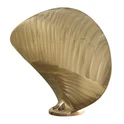
Yo, I'm a supplier of tanker ship propellers, and today I wanna talk about something super important in our field - the effect of propeller erosion on a tanker ship.
First off, let's get into what propeller erosion actually is. Propeller erosion is basically the wear and tear that happens to the propeller over time. It can be caused by a bunch of factors, like cavitation, which is when bubbles form and collapse near the propeller blades, creating a ton of pressure that can damage the surface. Another cause is the impact of solid particles in the water, like sand or debris. These little guys can chip away at the propeller, making it less efficient.
Now, let's dig into the effects of propeller erosion on a tanker ship. One of the most obvious effects is a decrease in performance. When the propeller is eroded, its shape changes. The smooth, aerodynamic design that was originally intended to move the ship through the water efficiently is disrupted. This means that the propeller has to work harder to generate the same amount of thrust. As a result, the tanker ship may experience a reduction in speed. You know, those big tankers are supposed to be able to cover long distances in a reasonable amount of time. But with an eroded propeller, they might be stuck chugging along at a slower pace, which can really mess up shipping schedules.
Not only does it affect speed, but it also impacts fuel efficiency. Since the propeller has to work harder, it uses more fuel. And let's face it, fuel is a huge expense for tanker ships. With the rising cost of oil, any increase in fuel consumption can really hit the bottom line. It's like driving a car with a misaligned wheel - you're going to burn more gas trying to keep it moving straight. For tanker ship operators, this means higher operating costs, which can ultimately lead to lower profits.
Another effect is increased vibration and noise. When the propeller is eroded, it doesn't rotate as smoothly as it should. This uneven rotation causes vibrations that can be felt throughout the ship. These vibrations not only make the ride uncomfortable for the crew but can also cause damage to other parts of the ship over time. The constant shaking can loosen bolts, damage pipes, and even affect the structural integrity of the ship. And then there's the noise. An eroded propeller can create a lot of racket. It's not just annoying; it can also be a sign of more serious problems. If you're in the shipping industry, you know that excessive noise can also be a concern for environmental reasons, especially in areas where marine life is sensitive to sound.
Now, let's talk about the impact on maintenance and repair costs. Eroded propellers need to be inspected more frequently to assess the extent of the damage. And when the damage is significant, they often need to be repaired or replaced. Repairing a propeller can be a complex and expensive process. It might involve welding, machining, and balancing to get it back to its original condition. And if the propeller is too damaged, it may need to be completely replaced. This not only means the cost of the new propeller but also the labor and downtime associated with the installation.
As a tanker ship propeller supplier, I know how important it is to address propeller erosion. That's why we offer a range of high - quality propellers designed to resist erosion. For example, our Accommodation Pontoon Propeller is built with materials and designs that can withstand the harsh marine environment. It's engineered to minimize the effects of cavitation and particle impact, which helps to extend its lifespan and keep the tanker ship running smoothly.
We also have the Anti - Cavitation Marine Propeller. This propeller is specifically designed to reduce the formation of cavitation bubbles. By preventing cavitation, we can significantly reduce the risk of erosion. It's like putting on a suit of armor for your propeller, protecting it from the damage that can occur in the water.
And for those who are concerned about noise, our Noise Reduction Marine Propeller is a great option. It's designed to operate more quietly, reducing the noise and vibration associated with an eroded propeller. This not only improves the comfort of the crew but also helps to meet environmental noise regulations.


If you're a tanker ship operator or someone involved in the shipping industry, you know that propeller erosion is a serious issue. But with the right propellers, you can minimize its effects and keep your tanker ship in top shape. Whether you're looking to replace an old, eroded propeller or want to invest in a high - quality propeller from the start, we're here to help.
We understand that every tanker ship is different, and we can work with you to find the perfect propeller solution for your specific needs. Our team of experts has years of experience in the industry and can provide you with the advice and support you need. So, if you're interested in learning more about our tanker ship propellers or want to discuss your requirements, don't hesitate to reach out. We're always happy to have a chat and see how we can help you keep your tanker ship running efficiently and cost - effectively.
In conclusion, propeller erosion can have a significant impact on tanker ships, from reducing speed and fuel efficiency to increasing maintenance costs. But by choosing the right propellers, like the ones we offer, you can mitigate these effects and ensure the long - term success of your shipping operations. So, let's work together to keep those big tankers moving smoothly through the water.
References
- "Marine Propulsion Systems: Design and Operation" by John Carlton
- "Ship Design and Construction" by David Croll