


A damaged marine propeller can significantly impact the performance and safety of a vessel. As a leading Marine Propeller supplier, I understand the importance of timely and effective propeller repair. In this blog, I'll share some insights on how to repair a damaged marine propeller.
1. Initial Inspection
The first step in repairing a damaged marine propeller is a thorough inspection. This involves removing the propeller from the vessel, which may require specialized equipment and expertise. Once removed, the propeller should be cleaned to remove any dirt, debris, or marine growth that could obscure damage.
Examine the propeller blade by blade, looking for signs of wear, cracks, bends, or corrosion. Pay close attention to the leading and trailing edges, as these are the areas most susceptible to damage. Use a magnifying glass or a borescope to detect small cracks that may not be visible to the naked eye. Measure the pitch and diameter of the propeller to ensure they are within the manufacturer's specifications.
2. Assessing the Damage
After the inspection, it's crucial to assess the severity of the damage. Minor damage, such as small dents or scratches, can often be repaired through simple processes. For example, small dents can be hammered out carefully, taking care not to distort the blade shape. Scratches can be smoothed using sandpaper to prevent further corrosion.
However, more significant damage, such as large cracks, bent blades, or missing pieces, requires more complex repair methods. Cracks, especially those that extend into the blade's structure, can compromise the propeller's integrity and must be addressed promptly. Bent blades can cause vibrations and reduce the propeller's efficiency. Missing pieces not only affect performance but can also create imbalance issues.
3. Repairing Minor Damage
- Smoothing and Polishing: For small surface imperfections, sanding and polishing the affected area can be sufficient. Start with a coarse-grit sandpaper to remove the rough edges and gradually move to finer grits for a smooth finish. This not only improves the propeller's appearance but also reduces drag in the water.
- Filling Dents and Gouges: Epoxy resins can be used to fill small dents and gouges. Choose a high-quality marine epoxy that is resistant to water and chemicals. Mix the epoxy according to the manufacturer's instructions and apply it to the damaged area. Use a putty knife to smooth the surface and ensure the epoxy is level with the surrounding blade. Once the epoxy has cured, sand and polish the area to match the rest of the blade.
4. Repairing Major Damage
- Welding: Welding is a common method for repairing cracks and adding material to missing or damaged areas. However, it requires specialized skills and equipment. Before welding, the damaged area must be properly prepared by cleaning and beveling the edges. The correct welding technique and filler material must be selected based on the propeller's material, which is typically bronze or stainless steel. After welding, the area should be heat-treated to relieve stress and then machined to restore the original shape and dimensions.
- Blade Straightening: Bent blades can be straightened using hydraulic presses or other specialized tools. This process must be carried out carefully to avoid further damage to the blade. It's essential to measure the blade's shape and pitch at regular intervals during the straightening process to ensure it meets the required specifications.
- Replacing Blades: In some cases, if a blade is severely damaged beyond repair, it may be necessary to replace it. This involves removing the damaged blade and installing a new one. The new blade must be precisely matched to the existing blades in terms of size, shape, and pitch to maintain the propeller's balance and performance.
5. Balancing the Propeller
After the repair, the propeller must be balanced. An unbalanced propeller can cause excessive vibrations, which can damage the vessel's drivetrain and reduce its lifespan. There are two main types of balancing: static and dynamic.
- Static Balancing: This involves placing the propeller on a balancing stand and checking for any uneven distribution of weight. If one blade is heavier than the others, small amounts of material can be removed from the heavier blade until the propeller is balanced.
- Dynamic Balancing: Dynamic balancing is a more accurate method that measures the propeller's balance while it is rotating. Specialized equipment is used to detect any vibrations and determine the exact location and amount of weight that needs to be added or removed to achieve balance.
6. Testing and Quality Assurance
Once the propeller has been repaired and balanced, it should undergo thorough testing. This includes a visual inspection to ensure that all repairs have been completed correctly and that there are no signs of damage or defects. The propeller can also be tested in a test tank to measure its performance, such as thrust and efficiency.
Quality assurance is essential to ensure that the repaired propeller meets the highest standards. This may involve following industry standards and guidelines, such as those set by the American Bureau of Shipping (ABS) or the International Maritime Organization (IMO).
Product Recommendations
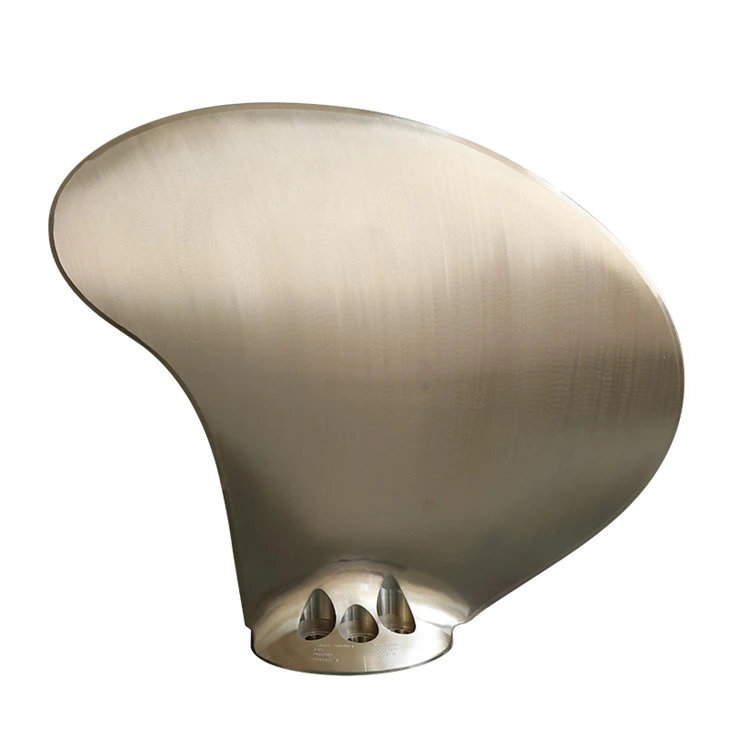
As a Marine Propeller supplier, we offer a range of high-quality propellers for different types of vessels. Our Cruise Ship Propeller Underwater is designed to provide excellent performance and durability in the harsh marine environment. The 4 Meter Cruise Ship Propeller is a popular choice for larger cruise ships, offering high thrust and efficiency. And our SeaLuxe Eco-Thrust Propeller is an environmentally friendly option that reduces fuel consumption and emissions.

Contact for Procurement
If you're in need of a new marine propeller or have a damaged propeller that requires repair, we're here to help. Our team of experts has extensive experience in the marine industry and can provide you with the best solutions for your needs. Whether you're a small boat owner or a large shipping company, we can offer the right propeller and repair services to keep your vessel running smoothly.
References
- "Marine Propeller Handbook" by John Carlton
- "Ship Hydrodynamics" by David Taylor
- Industry standards and guidelines from the American Bureau of Shipping (ABS) and the International Maritime Organization (IMO)


