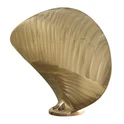
Hey there! As a trawler propeller supplier, I've seen my fair share of worn - out propellers. It's always a bummer for our customers when their propellers start showing signs of wear and tear. So, I thought I'd take some time to break down what causes this issue.
First off, let's talk about the environment in which trawler propellers operate. Trawlers spend a lot of time in the water, and water can be a pretty harsh element. One of the most common culprits is corrosion. Saltwater, in particular, is extremely corrosive. The salt in the water reacts with the metal of the propeller, gradually eating away at it. Over time, this corrosion can weaken the structure of the propeller, leading to cracks and chips. Even freshwater isn't entirely harmless. There can be minerals and other contaminants in the water that can cause corrosion, albeit at a slower rate.
We offer a Corrosion - Resistant Fishing Propeller that's specifically designed to combat this problem. It's made from materials that are more resistant to the corrosive effects of water, which can significantly extend the lifespan of the propeller.
Another major cause of wear and tear is the impact with debris. When a trawler is out at sea, it can encounter all sorts of stuff in the water. This can range from small rocks and pieces of wood to larger objects like discarded fishing nets or even parts of other vessels. When the propeller hits these objects, it can cause dents, bends, or even breakage. Even a small dent can disrupt the smooth flow of water around the propeller, reducing its efficiency and increasing the stress on the remaining parts of the propeller.


If you're into turbot fishing, our Turbot Fishing Vessel Propeller is built to withstand some of these impacts. It has a sturdier design that can handle the occasional bump with debris without getting too damaged.
Then there's the issue of cavitation. Cavitation occurs when the pressure around the propeller blades drops below the vapor pressure of the water. This causes tiny bubbles to form in the water. When these bubbles collapse, they create a shockwave that can erode the surface of the propeller blades. Cavitation can be caused by a variety of factors, such as incorrect propeller design, high - speed operation, or improper installation.
When a propeller is designed incorrectly, it might not be able to move through the water in the most efficient way. This can lead to uneven pressure distribution around the blades, increasing the likelihood of cavitation. High - speed operation can also cause cavitation because the faster the propeller spins, the more likely it is to create areas of low pressure. And if the propeller isn't installed properly, it might not be aligned correctly, which can also disrupt the water flow and cause cavitation.
Our 5 M Propeller for Trawler is designed with cavitation in mind. We've optimized the blade shape and pitch to reduce the chances of cavitation occurring, ensuring a smoother and more efficient operation.
Poor maintenance also plays a big role in the wear and tear of trawler propellers. If the propeller isn't inspected regularly, small problems can go unnoticed and turn into big ones. For example, a small crack due to impact might not seem like a big deal at first, but if it's not repaired, it can spread and eventually cause the propeller to fail. Regular cleaning is also important. Dirt, algae, and other marine growth can build up on the propeller, increasing drag and reducing its efficiency.
Overloading the trawler can also put extra stress on the propeller. When a trawler is carrying more weight than it's designed to, the propeller has to work harder to move the vessel through the water. This increased workload can cause the propeller to wear out faster. It can also lead to overheating, which can damage the metal of the propeller.
Now, I know all this talk about wear and tear might seem a bit scary, but don't worry! We're here to help. We've been in the trawler propeller business for a long time, and we know how to provide high - quality propellers that can stand up to the challenges of the sea.
If you're in the market for a new trawler propeller or just want to learn more about how to take better care of your existing one, don't hesitate to reach out. We can offer you expert advice and find the perfect propeller for your needs. Whether you're a small - scale fisherman or part of a large trawling operation, we've got you covered.
In conclusion, wear and tear on trawler propellers can be caused by a combination of factors, including corrosion, impact with debris, cavitation, poor maintenance, and overloading. But with the right propeller and proper care, you can minimize these issues and keep your trawler running smoothly for years to come. So, if you're interested in improving the performance and longevity of your trawler propeller, get in touch with us today. We're ready to start a conversation and help you find the best solution for your trawling needs.
References
- Marine Propulsion Technology Handbook, various authors
- Journal of Marine Engineering and Technology articles on propeller wear and tear