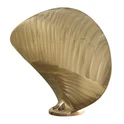
Hey there! I'm a supplier of copper alloy propellers, and today I wanna talk about how the electrical conductivity of a copper alloy propeller affects its performance. You might be thinking, "Why on earth should I care about the electrical conductivity of a propeller?" Well, it turns out that this property plays a pretty crucial role in how well a propeller works, and I'm gonna break it down for you.
First off, let's quickly go over what electrical conductivity is. In simple terms, it's a measure of how easily an electric current can flow through a material. Metals are generally good conductors of electricity, and copper is one of the best. That's why it's used in all sorts of electrical applications, from wiring to electronics. When it comes to copper alloy propellers, the electrical conductivity of the alloy can have several important impacts on its performance.

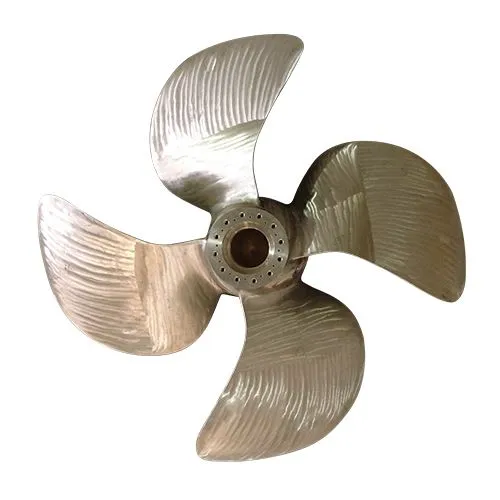
One of the main effects of electrical conductivity is related to corrosion. In a marine environment, propellers are constantly exposed to saltwater, which is a highly corrosive substance. When different metals are in contact with each other in an electrolyte like saltwater, a process called galvanic corrosion can occur. This happens when there's a difference in electrical potential between the metals, causing one metal to corrode more quickly than the other.
Copper alloy propellers are designed to be resistant to corrosion, but their electrical conductivity can still play a role in this process. A higher electrical conductivity in the copper alloy means that electrons can flow more easily through the material. This can actually help to prevent galvanic corrosion by creating a more uniform electrical potential across the surface of the propeller. In other words, it helps to balance out the electrical charge and reduce the likelihood of one part of the propeller corroding faster than the rest.
On the other hand, if the electrical conductivity is too low, it can lead to uneven electrical potential and increase the risk of localised corrosion. This can cause pits and cracks to form on the surface of the propeller, which can weaken the structure and reduce its overall performance. So, in a way, the right level of electrical conductivity is like a shield against corrosion, keeping your propeller in good shape for longer.
Another aspect where electrical conductivity matters is in propeller efficiency. You see, when a propeller rotates in water, it creates an electric field around it due to the movement of the conductive material through the conductive fluid (water). This electric field can interact with the water flow around the propeller, affecting the way the water behaves and the forces acting on the propeller.
A propeller with good electrical conductivity can better manage this electric field. It allows the electric charges to distribute evenly across the surface, which can lead to a more streamlined water flow. This, in turn, reduces drag on the propeller and increases its efficiency. When the water flows more smoothly around the propeller, it can convert more of the engine's power into forward thrust, which means your boat or ship can move faster and use less fuel.
Let's take a look at some of the specific copper alloy propellers we offer and how their electrical conductivity might impact their performance. For example, our Adaptive Pitch Bulk Carrier Propeller. These propellers are designed for large bulk carriers, which need to carry heavy loads over long distances. The electrical conductivity of the copper alloy used in these propellers helps to resist corrosion in the harsh marine environment, ensuring that the propellers stay reliable and efficient throughout their lifespan.
Our 5 M Propeller for Ferry Boat is another great example. Ferries operate in busy waterways and need to be able to start and stop quickly, as well as maintain a consistent speed. The right electrical conductivity in the copper alloy of these propellers helps to optimise the water flow around the blades, improving the ferry's manoeuvrability and fuel efficiency.
And then there's our Self - Unloading Dredger Propeller. Dredgers work in challenging conditions, often dealing with sediment and debris in the water. The electrical conductivity of the propeller's copper alloy helps to prevent corrosion from the abrasive materials and the saltwater, ensuring that the propeller can continue to perform well in these tough environments.
Now, you might be wondering how we ensure the right level of electrical conductivity in our copper alloy propellers. Well, it all starts with the alloy composition. We carefully select the elements that make up the alloy to achieve the desired electrical conductivity, as well as other important properties like strength and hardness. We also use advanced manufacturing processes to ensure that the alloy is uniform throughout the propeller, so that the electrical conductivity is consistent across the entire surface.
In addition to the alloy composition and manufacturing processes, we also conduct thorough testing on our propellers. We measure the electrical conductivity of the alloy and check for any signs of corrosion or other performance issues. This allows us to make any necessary adjustments and ensure that our propellers meet the highest standards of quality and performance.
So, as you can see, the electrical conductivity of a copper alloy propeller is a pretty big deal. It affects everything from corrosion resistance to efficiency and performance. Whether you're running a bulk carrier, a ferry, or a dredger, having a propeller with the right electrical conductivity can make a huge difference in how well your vessel operates.
If you're in the market for a high - quality copper alloy propeller, we'd love to talk to you. Our team of experts can help you choose the right propeller for your specific needs and answer any questions you might have about electrical conductivity or any other aspect of propeller performance. Reach out to us for a chat about your requirements, and let's find the perfect propeller for your vessel together!
References
- Marine Propeller Handbook by H. A. Brix
- Corrosion of Metals in Marine Environments by R. G. Kelly
- Principles of Naval Architecture by David C. Lewis