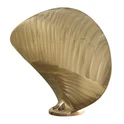
Measuring the diameter of a ferry boat propeller is a crucial task that requires precision and a good understanding of the equipment. As a ferry boat propeller supplier, I have encountered numerous situations where accurate measurement is essential for ensuring the proper functioning and performance of the propellers we provide. In this blog, I will share some effective methods and considerations for measuring the diameter of a ferry boat propeller.


Understanding the Importance of Propeller Diameter
The diameter of a ferry boat propeller plays a significant role in determining the vessel's performance. A larger diameter propeller generally provides more thrust, which can lead to better acceleration and higher top speeds. However, it also requires more power to turn, which can increase fuel consumption. On the other hand, a smaller diameter propeller may be more fuel - efficient but may not generate enough thrust for larger or faster ferry boats. Therefore, accurately measuring the propeller diameter is the first step in selecting the right propeller for a specific ferry boat.
Tools Required for Measurement
Before we start the measurement process, it is important to gather the necessary tools. The most common tools used for measuring the diameter of a ferry boat propeller are:
- Measuring Tape: A long and flexible measuring tape is ideal for measuring the outer diameter of the propeller. Make sure the tape is accurate and has clear markings.
- Calipers: For more precise measurements, especially in cases where the propeller has an irregular shape or if you need to measure specific components, calipers can be very useful. Vernier calipers or digital calipers can provide accurate readings.
- Ruler: A straight ruler can be used in combination with other tools to double - check measurements or to measure smaller sections of the propeller.
Measuring the Diameter of a Ferry Boat Propeller
There are two main methods for measuring the diameter of a ferry boat propeller: the direct measurement method and the indirect measurement method.
Direct Measurement Method
The direct measurement method is the most straightforward way to measure the propeller diameter. Here are the steps:
- Access the Propeller: Ensure that the ferry boat is safely docked and that the propeller is accessible. If the propeller is underwater, you may need to use a dry - dock or a lifting device to expose it.
- Locate the Outer Edge: Identify the outermost points of the propeller blades. These points are usually the tips of the blades.
- Measure the Distance: Place the measuring tape or calipers across the propeller, from one blade tip to the opposite blade tip. Make sure the measuring tool is straight and passes through the center of the propeller hub. Take the measurement and record it.
It is important to note that if the propeller has a non - circular shape or if the blades are bent, the direct measurement may not be completely accurate. In such cases, the indirect measurement method may be more appropriate.
Indirect Measurement Method
The indirect measurement method is used when direct measurement is difficult or inaccurate. This method involves measuring other components of the propeller and using mathematical formulas to calculate the diameter. Here are the steps:
- Measure the Hub Diameter: Use a caliper or a ruler to measure the diameter of the propeller hub. This is the central part of the propeller where the blades are attached.
- Measure the Blade Length: Measure the length of one of the propeller blades from the root (where it attaches to the hub) to the tip.
- Calculate the Diameter: The diameter of the propeller can be calculated using the following formula:
[D = 2\times (r_{hub}+l_{blade})]
where (D) is the diameter of the propeller, (r_{hub}) is the radius of the hub (half of the hub diameter), and (l_{blade}) is the length of the blade.
Considerations and Precautions
When measuring the diameter of a ferry boat propeller, there are several considerations and precautions to keep in mind:
- Safety First: Always follow safety procedures when accessing the propeller. Wear appropriate safety gear, such as gloves and safety glasses, and be aware of any potential hazards.
- Multiple Measurements: To ensure accuracy, take multiple measurements at different points around the propeller. This can help to account for any variations in the shape or size of the propeller.
- Environmental Factors: Environmental conditions, such as temperature and humidity, can affect the accuracy of the measurement. Try to measure the propeller in a stable environment to minimize these effects.
- Propeller Condition: Check the condition of the propeller before taking measurements. If the propeller is damaged or worn, it may affect the accuracy of the measurement.
Our Propeller Offerings
As a ferry boat propeller supplier, we offer a wide range of high - quality propellers to meet the diverse needs of our customers. Our product portfolio includes Offshore Vessel Propeller, which are designed for use in offshore vessels and provide excellent performance in harsh marine environments. We also have Full - Swing Propeller, which offer enhanced maneuverability and efficiency. Additionally, our Adaptive Pitch Bulk Carrier Propeller is suitable for bulk carriers and can adapt to different operating conditions.
Contact Us for Procurement
If you are in the market for a ferry boat propeller and need assistance with measuring the diameter or selecting the right propeller for your vessel, we are here to help. Our team of experts has extensive knowledge and experience in the field of ferry boat propellers. Contact us today to start a procurement discussion, and we will work with you to find the best propeller solution for your needs.
References
- Marine Propulsion Technology Handbook, by John Carlton
- Principles of Naval Architecture, by the Society of Naval Architects and Marine Engineers