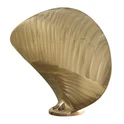
In the realm of ship propulsion, the choice between a single - screw and a twin - screw ship propeller is a critical decision that significantly impacts a vessel's performance, efficiency, and operational capabilities. As a leading ship propeller supplier, I've witnessed firsthand the diverse needs of shipbuilders, operators, and enthusiasts. In this blog, we'll delve into the intricacies of single - screw and twin - screw propellers, exploring their advantages, disadvantages, and ideal applications.
Single - Screw Ship Propellers
Single - screw propellers are the simplest and most traditional form of ship propulsion. A single large propeller is mounted on the stern of the ship, driven by a single engine. This configuration has been used for centuries and is still prevalent in many types of vessels today.
Advantages
- Simplicity and Cost - Effectiveness
- Single - screw systems are relatively straightforward in design. There is only one propeller, one shaft, and typically one engine. This simplicity translates into lower manufacturing and maintenance costs. Fewer components mean less complexity in installation, reduced chances of mechanical failure, and lower overall system weight. For smaller vessels or those with budget constraints, a single - screw propeller can be an attractive option.
- Efficiency at Steady Speeds
- Single - screw propellers are generally more efficient when a ship is traveling at a constant speed in a straight line. The flow of water around a single propeller is more uniform compared to a twin - screw system. This allows for better utilization of the engine's power, resulting in improved fuel efficiency. Many large cargo ships and tankers, which often operate on long - haul routes at a consistent speed, benefit from the efficiency of single - screw propellers.
- Maneuverability in Some Cases
- In calm waters and for vessels with well - designed hulls, a single - screw ship can have adequate maneuverability. With the right rudder design and control systems, a single - screw ship can perform basic turning and docking operations. For example, some small fishing boats and coastal vessels rely on single - screw propellers and can navigate effectively in their operating areas.
Disadvantages
- Limited Maneuverability in Tight Spaces
- One of the main drawbacks of single - screw propellers is their relatively poor maneuverability in tight spaces. When a ship needs to turn quickly or perform complex maneuvers such as berthing in a crowded port, a single - screw system can struggle. The turning radius is larger, and it can be difficult to control the ship precisely. This is because the propeller's thrust is concentrated in one direction, and the rudder has to work harder to counteract the propeller's torque.
- Vulnerability to Shaft and Propeller Damage
- Since there is only one propeller and shaft, any damage to these components can render the ship immobile. A collision with an underwater object or a mechanical failure in the propeller or shaft can be a major problem. In contrast, a twin - screw system has some redundancy, as the ship can still operate, albeit with reduced performance, if one propeller or shaft is damaged.
Twin - Screw Ship Propellers
Twin - screw propellers consist of two propellers mounted on separate shafts, usually on either side of the ship's centerline. This configuration offers several advantages over single - screw systems, especially in terms of maneuverability and safety.
Advantages
- Enhanced Maneuverability
- Twin - screw propellers provide excellent maneuverability. By varying the speed and direction of rotation of the two propellers, a ship can turn more quickly and with a smaller turning radius. For example, in a docking operation, the ship can use the differential thrust of the two propellers to pivot around its center, making it easier to berth in tight spaces. This is a crucial advantage for vessels that operate in congested ports or areas with limited navigable space, such as ferries and tugboats.
- Redundancy and Safety
- The twin - screw design offers redundancy. If one propeller or engine fails, the ship can still continue to operate using the remaining propeller. This is a significant safety feature, especially for vessels operating in remote areas or in harsh environmental conditions. For example, research vessels and offshore support vessels often use twin - screw propellers to ensure that they can return to port safely in case of a mechanical failure.
- Improved Thrust Distribution
- Twin - screw propellers distribute the thrust more evenly across the hull of the ship. This can reduce the stress on the hull and improve the overall stability of the vessel. In rough seas, the twin - screw system can help the ship maintain its course more effectively, as the two propellers can work together to counteract the effects of waves and wind.
Disadvantages
- Higher Cost
- Twin - screw systems are more expensive than single - screw systems. The additional propeller, shaft, and engine (in most cases) increase the manufacturing and installation costs. Maintenance is also more complex and costly, as there are more components to inspect and repair. This can be a significant drawback for smaller vessels or those with limited budgets.
- Lower Efficiency at Steady Speeds
- Compared to single - screw propellers, twin - screw systems are generally less efficient when a ship is traveling at a constant speed in a straight line. The interaction between the two propellers can cause interference in the water flow, resulting in some energy losses. However, modern design techniques and advanced propeller geometries are reducing this efficiency gap.
Ideal Applications
The choice between a single - screw and a twin - screw propeller depends on the specific requirements of the vessel.


Single - Screw Propellers
- Large Cargo Ships and Tankers: These vessels typically operate on long - haul routes at a constant speed. The efficiency of single - screw propellers at steady speeds helps to reduce fuel consumption, which is a major cost factor for these large vessels. For example, a Panamax - sized container ship traveling across the ocean can benefit from the fuel savings provided by a single - screw system.
- Small Fishing Boats and Coastal Vessels: These vessels often have limited budgets and operate in relatively calm waters. The simplicity and cost - effectiveness of single - screw propellers make them a suitable choice. Additionally, their maneuverability in calm waters is usually sufficient for the operations of these vessels.
Twin - Screw Propellers
- Ferries and Tugboats: These vessels need to operate in congested ports and perform frequent turning and docking maneuvers. The enhanced maneuverability of twin - screw propellers is essential for their safe and efficient operation. For example, a ferry that shuttles passengers between islands in a busy harbor requires precise control and quick turning ability.
- Research Vessels and Offshore Support Vessels: These vessels operate in remote areas and need to ensure their safety in case of mechanical failures. The redundancy provided by twin - screw propellers is crucial for their operations. Also, their ability to maintain stability in rough seas is beneficial for scientific research and support activities.
Our Ship Propeller Offerings
As a ship propeller supplier, we offer a wide range of high - quality propellers to meet the diverse needs of our customers. Whether you are looking for a single - screw or a twin - screw propeller, we have the expertise and products to provide the best solution for your vessel.
We have the 4 Meter Cruise Ship Propeller, which is designed for optimal performance and efficiency. This propeller is suitable for medium - sized cruise ships, offering a balance between power and fuel economy.
Our Yuan Ding NAB - 3000 Propeller is a state - of the - art twin - screw propeller. It is engineered to provide excellent maneuverability and high - thrust capabilities. This propeller is ideal for vessels that require precise control, such as tugboats and ferries.
For those looking for a propeller with advanced hydrodynamic design, our HydroSmooth Expedition Propeller is a great choice. It is designed to reduce drag and improve efficiency, making it suitable for long - distance voyages and vessels operating in challenging environments.
Conclusion
The choice between a single - screw and a twin - screw ship propeller is a complex decision that depends on various factors such as vessel type, operating conditions, budget, and performance requirements. Each type of propeller has its own advantages and disadvantages, and understanding these is crucial for making an informed choice.
As a ship propeller supplier, we are committed to providing our customers with the best propeller solutions. Whether you need a single - screw propeller for a large cargo ship or a twin - screw propeller for a ferry, we have the products and expertise to meet your needs. If you are interested in learning more about our propellers or would like to discuss your specific requirements, please feel free to contact us for a procurement consultation. We look forward to working with you to enhance the performance and efficiency of your vessel.
References
- Carlton, J. S. (2007). Marine Propellers and Propulsion. Butterworth - Heinemann.
- Schneekluth, H., & Bertram, V. (1998). Ship Design for Efficiency and Economy. Butterworth - Heinemann.
- Lewis, E. V. (Ed.). (1988). Principles of Naval Architecture. Society of Naval Architects and Marine Engineers.