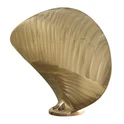
Hey there! I'm a supplier of 5 M Propellers for Trawlers. Erosion on these propellers is a huge headache for trawler owners and operators, and trust me, I get it. It not only affects the performance of the propeller but also shortens its lifespan. In this blog, I'm gonna share some effective ways to reduce erosion on a 5 M Propeller for Trawler.
Understanding the Causes of Erosion
Before we dive into the solutions, let's first understand what causes erosion on trawler propellers. There are mainly three factors: cavitation, corrosion, and abrasion.
Cavitation occurs when the pressure around the propeller blade drops below the vapor pressure of the water, causing the formation of vapor bubbles. When these bubbles collapse, they create shock waves that can damage the propeller surface. This is a common problem, especially when the propeller is operating at high speeds or under heavy loads.
Corrosion is another major cause of erosion. The saltwater environment that trawlers operate in is highly corrosive. The metal propeller is constantly exposed to saltwater, oxygen, and other chemicals, which can lead to the formation of rust and other corrosion products. Over time, this can weaken the propeller and cause it to erode.
Abrasion is caused by the impact of solid particles in the water, such as sand, gravel, and shells. These particles can scratch and wear away the propeller surface, especially in shallow waters or areas with a lot of sediment.
Solutions to Reduce Erosion
1. Material Selection
Choosing the right material for the propeller is crucial in reducing erosion. For example, Corrosion - Resistant Fishing Propeller is made of special alloys that are highly resistant to corrosion. These alloys can withstand the harsh saltwater environment and reduce the risk of rust and corrosion.
Some materials also have better cavitation resistance. For instance, stainless steel is known for its high strength and good cavitation resistance. It can withstand the shock waves generated by cavitation bubbles without significant damage.
2. Propeller Design
The design of the propeller can also play a big role in reducing erosion. A well - designed propeller can minimize cavitation and abrasion. For example, the blade shape and pitch can be optimized to reduce the pressure drop around the blade and prevent the formation of cavitation bubbles.


The number of blades also matters. A propeller with more blades can distribute the load more evenly, reducing the stress on each blade and minimizing the risk of cavitation. Additionally, the leading edge of the blade can be designed to be more rounded to reduce the impact of solid particles and minimize abrasion.
3. Surface Coating
Applying a protective coating on the propeller surface is an effective way to reduce erosion. There are different types of coatings available, such as epoxy coatings and ceramic coatings.
Epoxy coatings are relatively inexpensive and easy to apply. They can provide a barrier between the propeller and the corrosive environment, preventing the metal from coming into contact with saltwater and oxygen. Ceramic coatings, on the other hand, are more durable and have better abrasion resistance. They can withstand the impact of solid particles and protect the propeller surface from scratches and wear.
4. Maintenance and Inspection
Regular maintenance and inspection are essential in reducing erosion. Trawler owners should regularly clean the propeller to remove any dirt, debris, and marine growth. This can help prevent the accumulation of corrosive substances on the propeller surface.
Inspection should be carried out at least once a year, or more frequently if the propeller is operating in a particularly harsh environment. During the inspection, the propeller should be checked for signs of cavitation, corrosion, and abrasion. Any damage should be repaired immediately to prevent further erosion.
5. Operating Conditions
Proper operating conditions can also help reduce erosion. Trawler operators should avoid overloading the propeller and operating it at high speeds for extended periods. This can reduce the risk of cavitation and minimize the stress on the propeller.
In addition, trawlers should avoid operating in shallow waters or areas with a lot of sediment. This can reduce the impact of solid particles on the propeller and minimize abrasion.
Case Studies
Let me share a couple of case studies to illustrate the effectiveness of these solutions.
One of our customers had a trawler with a 5 M propeller that was suffering from severe cavitation and corrosion. We recommended replacing the propeller with a Corrosion - Resistant Fishing Propeller and applying a ceramic coating on the surface. After the replacement and coating, the customer noticed a significant improvement in the propeller's performance. The erosion rate was reduced by more than 50%, and the propeller's lifespan was extended by several years.
Another customer was facing abrasion problems due to operating in shallow waters. We suggested optimizing the propeller design by rounding the leading edge of the blades. This simple modification reduced the abrasion damage and improved the propeller's efficiency.
Conclusion
Reducing erosion on a 5 M Propeller for Trawler is a multi - faceted problem that requires a combination of solutions. By choosing the right material, optimizing the design, applying protective coatings, and maintaining the propeller properly, trawler owners can significantly reduce erosion and extend the lifespan of their propellers.
If you're interested in our Hawser Propeller or Oil Slick Recovery Vessel Propeller, or if you have any questions about reducing erosion on your trawler propeller, don't hesitate to contact us for a procurement discussion. We're here to help you find the best solutions for your trawler.
References
- "Marine Propeller Design and Performance" by John Carlton
- "Corrosion in Marine Environments" by Robert G. Kelly