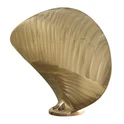
Cavitation is a phenomenon that has long been a concern in the marine industry, especially when it comes to container ship propellers. As a supplier of Container Ship Propeller, I have witnessed firsthand the significant effects that cavitation can have on these crucial components. In this blog post, I will delve into the various impacts of cavitation on container ship propellers and discuss the implications for ship operators and the industry as a whole.
Understanding Cavitation
Before we explore the effects of cavitation, it is essential to understand what cavitation is. Cavitation occurs when the pressure in a liquid drops below its vapor pressure, causing the formation of vapor bubbles. In the context of a container ship propeller, this typically happens when the propeller blades move through the water at high speeds, creating areas of low pressure on the blade surfaces. As the pressure drops, water vaporizes, forming bubbles. These bubbles then collapse when they move into areas of higher pressure, creating shockwaves that can cause damage to the propeller.
Effects of Cavitation on Container Ship Propellers
1. Erosion and Material Damage
One of the most visible and immediate effects of cavitation is erosion and material damage to the propeller blades. When the vapor bubbles collapse near the blade surface, the shockwaves generated can cause tiny pits and cracks in the metal. Over time, these pits and cracks can grow, leading to significant material loss and structural damage to the propeller. This erosion not only weakens the propeller but also changes its shape, which can further affect its performance.
For container ship operators, this means increased maintenance costs and downtime. Damaged propellers need to be repaired or replaced, which can be a time - consuming and expensive process. In some cases, severe cavitation damage can even lead to catastrophic failure of the propeller, putting the safety of the ship and its crew at risk.
2. Reduced Propeller Efficiency
Cavitation also has a significant impact on the efficiency of the container ship propeller. As the propeller blades are eroded, their smooth surface is disrupted, creating turbulence in the water flow around the blades. This turbulence increases the drag on the propeller, requiring more power from the engine to achieve the same speed. In other words, the propeller becomes less efficient at converting the engine's power into thrust.
Reduced propeller efficiency means higher fuel consumption for the container ship. With fuel being one of the largest operating costs for shipping companies, this can have a substantial financial impact. Additionally, increased fuel consumption also leads to higher emissions, which is a growing concern in the context of environmental regulations in the shipping industry.
3. Noise and Vibration
Cavitation can also generate significant noise and vibration. The collapse of vapor bubbles produces high - frequency noise, which can be a nuisance for the crew on board the ship. Moreover, the shockwaves from bubble collapse can cause vibrations in the propeller and the ship's hull. These vibrations can lead to discomfort for the crew and, in severe cases, can cause damage to other equipment on the ship, such as engines and navigation systems.
Excessive noise and vibration can also have an impact on the ship's stealth capabilities, which may be a concern for military or security - related operations. In the commercial shipping sector, it can affect the lifespan of the ship's components and increase maintenance requirements for other parts of the vessel.
4. Cavitation - Induced Cavitation
Another less - known but important effect is cavitation - induced cavitation. Once cavitation starts on a propeller blade, it can create a self - perpetuating cycle. The turbulence and changes in pressure caused by the initial cavitation can lead to the formation of more vapor bubbles in other areas of the propeller. This can accelerate the damage process and make the problem even worse.
This phenomenon means that even a small amount of cavitation can quickly escalate into a major issue if not addressed promptly. Container ship operators need to be vigilant in monitoring their propellers for signs of cavitation and take appropriate measures to prevent its spread.
Mitigating the Effects of Cavitation
As a Container Ship Propeller supplier, we are constantly working on solutions to mitigate the effects of cavitation. One approach is to use high - quality materials that are more resistant to cavitation erosion. For example, some advanced alloys and composite materials can withstand the shockwaves generated by bubble collapse better than traditional metals.
Another solution is to optimize the design of the propeller. By carefully shaping the blades and controlling the pressure distribution around them, it is possible to reduce the likelihood of cavitation occurring in the first place. Computational fluid dynamics (CFD) simulations are often used in the design process to predict and prevent cavitation.
In addition, proper maintenance and monitoring are crucial. Regular inspections of the propeller can help detect early signs of cavitation, allowing for timely repairs. Some shipping companies also use advanced monitoring systems that can detect changes in propeller performance and cavitation levels in real - time, enabling proactive maintenance.
Implications for the Shipping Industry
The effects of cavitation on container ship propellers have far - reaching implications for the shipping industry. As mentioned earlier, increased maintenance costs and reduced efficiency mean higher operating costs for shipping companies. This can put pressure on profit margins, especially in a highly competitive market.


From an environmental perspective, the higher fuel consumption associated with cavitation - damaged propellers contributes to increased greenhouse gas emissions. With the shipping industry under increasing pressure to reduce its environmental impact, addressing cavitation is an important step towards achieving more sustainable operations.
Other Types of Propellers and Cavitation
It's worth noting that cavitation is not limited to container ship propellers. Other types of ship propellers, such as Multipurpose Cargo Ship Propeller and Lighted Purse Seiner Propeller, are also susceptible to cavitation. The same principles of erosion, reduced efficiency, and noise and vibration apply to these propellers as well.
Conclusion and Call to Action
In conclusion, cavitation is a serious issue that can have significant effects on container ship propellers, including erosion, reduced efficiency, noise, and vibration. As a supplier of Container Ship Propeller, we understand the importance of addressing this problem. We offer high - quality propellers designed to resist cavitation and provide comprehensive support for maintenance and monitoring.
If you are a container ship operator or involved in the shipping industry, and you are looking for reliable and efficient propellers that can withstand the challenges of cavitation, we invite you to contact us for a consultation. Our team of experts can help you find the best propeller solutions for your specific needs, ensuring optimal performance and cost - effectiveness for your vessels.
References
- Carlton, J. S. (2007). Marine Propellers and Propulsion. Butterworth - Heinemann.
- Arndt, R. E. A. (1981). Cavitation: Observations, analysis, prevention. Annual Review of Fluid Mechanics, 13(1), 273 - 328.
- Brennen, C. E. (1995). Cavitation and Bubble Dynamics. Oxford University Press.