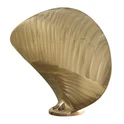
When it comes to marine propulsion, propellers play a crucial role in determining a vessel's efficiency, performance, and durability. As a leading supplier of copper alloy propellers, I've witnessed firsthand the significant differences in performance between cast and forged copper alloy propellers. In this blog post, I'll delve into these differences to help you make an informed decision when choosing the right propeller for your vessel.
Manufacturing Process
The manufacturing process is the primary factor that sets cast and forged copper alloy propellers apart. Casting is a process where molten copper alloy is poured into a mold and allowed to solidify. This method is relatively cost - effective and can produce complex shapes with high precision. It is suitable for large - scale production, as it can quickly create multiple propellers with consistent dimensions.
On the other hand, forging involves shaping the copper alloy through the application of compressive forces using a hammer or a press. The metal is heated to a specific temperature and then deformed into the desired shape. Forging results in a more refined grain structure, which enhances the mechanical properties of the propeller.
Strength and Durability
One of the most significant advantages of forged copper alloy propellers is their superior strength. The forging process aligns the grain structure of the metal, making it more resistant to fatigue and cracking. This is especially important in marine environments where propellers are subjected to high - stress conditions, such as impact from debris, cavitation, and fluctuating loads.
Cast propellers, while generally strong, may have some inherent weaknesses due to the presence of porosity and inclusions in the casting. These imperfections can reduce the overall strength of the propeller and make it more prone to failure over time. For vessels operating in harsh conditions, such as Ocean - Going Ship Propeller, forged propellers are often the preferred choice.
Fatigue Resistance
Fatigue is a major concern for propellers, as they are constantly subjected to cyclic loading. Forged copper alloy propellers have a higher fatigue resistance compared to cast propellers. The refined grain structure resulting from the forging process allows the propeller to withstand repeated stress cycles without developing cracks.
In contrast, cast propellers may develop micro - cracks at the sites of porosity and inclusions, which can propagate over time and lead to catastrophic failure. For vessels like Offshore Oilfield Supply Vessel Propeller that operate in dynamic and high - stress environments, the fatigue resistance of forged propellers can significantly extend the service life of the propeller.
Machinability and Surface Finish
Casting can produce propellers with a relatively smooth surface finish, which is beneficial for reducing drag and improving hydrodynamic performance. However, the presence of porosity and inclusions in cast propellers can sometimes make machining more challenging. These imperfections may cause tool wear and affect the accuracy of the final dimensions.
Forged propellers, although initially having a rougher surface, offer excellent machinability. The homogeneous and dense structure of forged copper alloy allows for precise machining, resulting in a high - quality surface finish. This can improve the hydrodynamic efficiency of the propeller, reducing fuel consumption and increasing the vessel's speed.
Hydrodynamic Performance
The hydrodynamic performance of a propeller is crucial for the overall efficiency of a vessel. Forged propellers, with their superior strength and ability to be machined to precise dimensions, can be designed to have a more optimized blade shape. This allows for better water flow around the propeller, reducing cavitation and improving thrust.
Cavitation is a phenomenon where vapor bubbles form and collapse on the surface of the propeller blades, causing damage and reducing efficiency. Forged propellers are better able to resist cavitation due to their higher strength and smoother surface finish. In applications like 4 M Propeller for Ferry Boat, where efficiency and reliability are key, the hydrodynamic advantages of forged propellers can make a significant difference.


Cost Considerations
Cost is an important factor in any purchasing decision. Cast copper alloy propellers are generally less expensive to produce than forged propellers. The casting process is more straightforward and requires less specialized equipment, which reduces the manufacturing cost.
However, when considering the long - term costs, forged propellers may offer better value. Their higher strength, fatigue resistance, and improved hydrodynamic performance can result in lower maintenance costs, longer service life, and reduced fuel consumption. For vessels that operate frequently or in demanding conditions, the initial investment in a forged propeller can pay off in the long run.
Application - Specific Considerations
The choice between cast and forged copper alloy propellers also depends on the specific application of the vessel. For small recreational boats or vessels operating in relatively calm waters, cast propellers may be a suitable and cost - effective option. These vessels typically do not require the same level of performance and durability as larger commercial or industrial vessels.
On the other hand, large commercial vessels, such as ocean - going ships, offshore supply vessels, and high - speed ferries, benefit from the superior performance of forged propellers. These vessels operate in more challenging environments and require propellers that can withstand high - stress conditions and provide optimal hydrodynamic efficiency.
Conclusion
In conclusion, the performance differences between cast and forged copper alloy propellers are significant. Forged propellers offer superior strength, fatigue resistance, machinability, and hydrodynamic performance compared to cast propellers. While cast propellers are more cost - effective in the short term, forged propellers can provide better long - term value, especially for vessels operating in harsh conditions.
As a supplier of copper alloy propellers, I understand the importance of choosing the right propeller for your vessel. Whether you need a propeller for a small boat or a large commercial vessel, I can help you make an informed decision based on your specific requirements. If you're interested in learning more about our cast and forged copper alloy propellers or would like to discuss a potential purchase, please don't hesitate to reach out. We're here to provide you with the best solutions for your marine propulsion needs.
References
- Smith, J. (2018). "Marine Propeller Design and Performance". Marine Engineering Journal.
- Johnson, R. (2019). "Comparison of Cast and Forged Metals in Marine Applications". Metalworking Magazine.
- Brown, A. (2020). "Hydrodynamic Analysis of Marine Propellers". Journal of Naval Architecture.