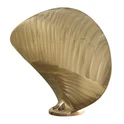
As a supplier of folding props for sailboats, I often get asked by customers whether they can clean a folding prop for a sailboat themselves. This is a valid question, especially considering the importance of maintaining the propeller's efficiency and longevity. In this blog post, I'll share my insights on this topic, providing you with the information you need to make an informed decision.
Why Cleaning a Folding Prop is Important
A folding propeller on a sailboat is a crucial component that significantly affects the vessel's performance. Over time, the propeller can accumulate various types of debris, such as seaweed, barnacles, and other marine growth. This buildup not only increases drag, reducing the boat's speed and fuel efficiency but can also cause uneven wear on the propeller blades, leading to vibrations and potential damage. Regular cleaning helps to keep the propeller in optimal condition, ensuring smooth operation and extending its lifespan.
Assessing Your Ability to Clean the Prop Yourself
Before you decide to clean the folding prop yourself, it's essential to assess your skills, knowledge, and access to the necessary tools. Cleaning a propeller involves working in a potentially hazardous environment, often underwater or in a dry dock. You'll need to have a basic understanding of how the folding prop works and how to handle it safely.
If you're an experienced sailor with some mechanical aptitude and have worked on your boat's propulsion system before, you might be well-equipped to take on the task. However, if you're new to boat maintenance or unsure about any aspect of the cleaning process, it might be best to seek professional help.
Tools and Materials You'll Need
If you decide to clean the folding prop yourself, you'll need the following tools and materials:
- Safety Equipment: This includes gloves, goggles, and appropriate footwear to protect yourself from sharp edges and any chemicals you might use.
- Cleaning Tools: A soft-bristled brush, a scraper, and a high-pressure hose are essential for removing debris from the propeller blades.
- Cleaning Agents: You can use a mild detergent or a specialized marine propeller cleaner. Avoid using harsh chemicals that could damage the propeller's surface.
- Lifting Equipment: If you need to remove the propeller from the boat, you'll need a hoist or a lifting sling to handle it safely.
Step-by-Step Cleaning Process
Once you have all the necessary tools and materials, you can follow these steps to clean the folding prop:


- Prepare the Boat: If you're cleaning the propeller while the boat is in the water, make sure it's securely moored or on a lift. If you're using a dry dock, ensure the boat is properly supported.
- Inspect the Propeller: Before you start cleaning, carefully examine the propeller for any signs of damage, such as cracks, chips, or bent blades. If you notice any significant damage, it's best to consult a professional for repair or replacement.
- Remove Loose Debris: Use a high-pressure hose to remove any loose seaweed, dirt, or other debris from the propeller. Start from the tip of the blades and work your way towards the hub.
- Scrub the Blades: Use a soft-bristled brush and a cleaning agent to scrub the propeller blades. Pay special attention to the areas where marine growth is most likely to accumulate, such as the leading and trailing edges of the blades.
- Scrape Off Stubborn Growth: For stubborn barnacles or other hard growth, use a scraper to gently remove them from the propeller surface. Be careful not to scratch the blades.
- Rinse the Propeller: Once you've removed all the debris, rinse the propeller thoroughly with clean water to remove any remaining cleaning agent.
- Inspect Again: After cleaning, inspect the propeller one more time to ensure that all the debris has been removed and that there are no signs of damage.
- Reassemble and Test: If you removed the propeller for cleaning, carefully reassemble it and test the folding mechanism to make sure it's working correctly.
Potential Risks and Challenges
Cleaning a folding propeller yourself comes with some potential risks and challenges. Working underwater or in a dry dock can be dangerous, and there's a risk of injury from sharp edges, moving parts, or falling objects. Additionally, if you're not careful, you could damage the propeller or its folding mechanism, which could lead to costly repairs.
Another challenge is ensuring that you clean the propeller thoroughly without causing any damage. Some types of marine growth can be difficult to remove, and using the wrong tools or cleaning agents could scratch or corrode the propeller surface.
When to Seek Professional Help
While cleaning a folding propeller yourself can be a rewarding experience, there are times when it's best to seek professional help. If you're unsure about any aspect of the cleaning process, if you notice significant damage to the propeller, or if you don't have the necessary tools or skills, it's advisable to contact a professional marine mechanic or propeller specialist.
Professional cleaners have the expertise, experience, and specialized equipment to clean the propeller safely and effectively. They can also identify any potential problems and recommend the appropriate repairs or maintenance.
Conclusion
In conclusion, cleaning a folding prop for a sailboat yourself is possible if you have the right skills, knowledge, and tools. However, it's important to assess your abilities and the condition of the propeller before you start. If you're unsure or if you encounter any problems, don't hesitate to seek professional help.
At our company, we're committed to providing high-quality folding props for sailboats and offering our customers the support and information they need to maintain their props in optimal condition. If you're interested in learning more about our products or have any questions about propeller cleaning or maintenance, please feel free to [contact us for a purchase consultation]. We'll be happy to assist you.
References
- "Marine Propeller Maintenance Guide," Boat Owners Association of The United States.
- "Propeller Cleaning and Inspection," Practical Sailor Magazine.