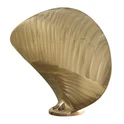
Hey there! I'm a supplier of 5 M Propellers for Trawlers. And today, I wanna chat about what to do when these propellers get damaged. It's a common issue in the trawling business, and knowing the right repair methods can save you a lot of time and money.
First off, let's understand how these propellers can get damaged in the first place. Trawlers operate in some pretty rough environments. They can hit rocks, debris, or even get entangled in fishing nets. All these can cause dents, cracks, or even breakage in the propeller blades. And when that happens, it's not just about the performance of the trawler; it can also pose safety risks.
Visual Inspection
The first step in any repair process is a thorough visual inspection. You gotta take a good look at the propeller to identify the extent of the damage. Check for any visible cracks, bends, or missing pieces. Sometimes, the damage might be subtle, like small dents or scratches. But these can still affect the propeller's performance over time.
Use a flashlight and a mirror to check hard-to-reach areas. Look at the leading and trailing edges of the blades, as well as the hub. If you notice any signs of corrosion, that's also something to keep in mind. Corrosion can weaken the metal and make the propeller more prone to further damage.
Minor Damage Repair
If the damage is minor, like small dents or scratches, you might be able to fix it yourself. For dents, you can use a hammer and a block of wood. Place the block of wood on the dented area and gently tap it with the hammer. This can help to reshape the blade. Just be careful not to overdo it, as you don't want to cause more damage.
For scratches, you can use a file or sandpaper to smooth them out. Start with a coarse-grit sandpaper and then move on to a finer-grit one for a smoother finish. After sanding, you can apply a protective coating to prevent further corrosion.
Welding and Brazing
When it comes to more serious damage, like cracks or missing pieces, welding and brazing are often the go-to methods. Welding involves melting the metal at the damaged area and fusing it back together. This requires some skill and the right equipment, so it's usually best to leave it to the professionals.
Brazing, on the other hand, uses a filler metal to join the damaged parts. It's a bit less intense than welding and can be a good option for smaller cracks. But again, it's important to make sure the job is done correctly to ensure the propeller's integrity.
Blade Replacement
In some cases, the damage might be so severe that blade replacement is the only option. This can be a costly and time-consuming process, but it's sometimes necessary to ensure the safety and performance of the trawler.
When replacing a blade, it's important to use a high-quality replacement that matches the specifications of the original propeller. You can find a wide range of propeller blades, including Fully Revolving Tugboat Propeller, Anchor Handling Tug Supply (AHTS) Vessel Propeller, and Drilling Rig Ship Propeller. Make sure to choose the right one for your trawler.


Balancing
After any repair or replacement, it's crucial to balance the propeller. An unbalanced propeller can cause vibrations, which can lead to further damage to the trawler's engine and other components. You can use a propeller balancing kit to check and adjust the balance.
The process involves adding or removing small weights from the propeller to ensure that it spins evenly. This might take a few tries to get it just right, but it's well worth the effort.
Preventive Maintenance
Of course, the best way to deal with propeller damage is to prevent it from happening in the first place. Regular maintenance is key. Inspect the propeller before and after each trip, and clean it regularly to remove any dirt, debris, or marine growth.
Also, be careful when operating the trawler. Avoid shallow waters and areas with a lot of debris. And if you do hit something, stop the engine immediately and inspect the propeller for damage.
Conclusion
Well, that's a wrap on the repair methods for a damaged 5 M Propeller for Trawler. As a supplier, I know how important it is to keep these propellers in top shape. Whether it's minor repairs or major replacements, there are solutions available.
If you're in the market for a new propeller or need some advice on repairs, don't hesitate to reach out. We're here to help you keep your trawler running smoothly. Let's get in touch and discuss your needs.
References
- Marine Propeller Handbook
- Trawler Maintenance Guide