What is the role of propeller blade thickness in tugboat propellers?
As a supplier of Tugboat Propellers, I have witnessed firsthand the critical role that propeller blade thickness plays in the performance and functionality of tugboat propellers. Tugboats are essential vessels in the maritime industry, used for towing, pushing, and maneuvering larger ships, barges, and other marine structures. The efficiency and reliability of a tugboat's propeller system are crucial for its ability to perform these tasks effectively and safely.


The Basics of Tugboat Propellers
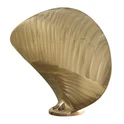
Before diving into the role of propeller blade thickness, it's important to understand the basic components and functions of a tugboat propeller. A propeller is a rotating device that converts the power generated by an engine into thrust, which propels the vessel forward or backward. It consists of a hub and a number of blades, typically ranging from three to six, that are attached to the hub at an angle. The shape and size of the blades, as well as their pitch (the distance the propeller would move forward in one revolution if it were moving through a solid medium), determine the amount of thrust generated and the efficiency of the propeller.
The Role of Propeller Blade Thickness
Propeller blade thickness is a critical design parameter that has a significant impact on the performance, durability, and efficiency of a tugboat propeller. Here are some of the key roles that blade thickness plays:
Structural Integrity
One of the primary functions of propeller blade thickness is to provide structural integrity and strength to the propeller. Tugboat propellers operate in harsh marine environments, where they are subjected to high loads, vibrations, and impacts. The thickness of the blades determines their ability to withstand these forces without breaking or deforming. Thicker blades are generally more robust and less likely to fail under extreme conditions, making them ideal for use in tugboats that operate in rough seas or perform heavy-duty towing operations.
Hydrodynamic Performance
Propeller blade thickness also affects the hydrodynamic performance of the propeller. The shape and size of the blades, as well as their thickness, determine the flow of water around the propeller and the amount of thrust generated. Thicker blades can provide more surface area for the water to act on, which can increase the amount of thrust generated by the propeller. However, thicker blades also create more drag, which can reduce the efficiency of the propeller and increase fuel consumption. Therefore, the optimal blade thickness for a tugboat propeller is a balance between structural integrity and hydrodynamic performance.
Cavitation Resistance
Cavitation is a phenomenon that occurs when the pressure of the water around the propeller blades drops below the vapor pressure of the water, causing the formation of vapor bubbles. These bubbles can collapse violently, creating high-pressure shock waves that can damage the propeller blades and reduce their efficiency. Propeller blade thickness can play a role in preventing cavitation by providing a more robust surface for the water to act on and reducing the likelihood of bubble formation. Thicker blades are generally more resistant to cavitation than thinner blades, making them a better choice for tugboats that operate at high speeds or in shallow waters.
Noise and Vibration Reduction
Propeller blade thickness can also affect the noise and vibration levels generated by the propeller. Thicker blades can provide more damping and reduce the transmission of vibrations from the propeller to the vessel, which can improve the comfort of the crew and reduce the risk of damage to the vessel's equipment. Additionally, thicker blades can reduce the noise generated by the propeller, which can be beneficial for tugboats that operate in sensitive areas or near residential communities.
Factors Affecting Propeller Blade Thickness
The optimal blade thickness for a tugboat propeller depends on a number of factors, including the size and power of the vessel, the operating conditions, and the desired performance characteristics. Here are some of the key factors that can affect propeller blade thickness:
Vessel Size and Power
Larger and more powerful tugboats generally require thicker propeller blades to provide the necessary structural integrity and thrust. The size and power of the vessel determine the amount of load that the propeller will be subjected to, and thicker blades are better able to withstand these loads without failing.
Operating Conditions
The operating conditions of the tugboat, such as the sea state, water depth, and speed, can also affect the optimal blade thickness. Tugboats that operate in rough seas or shallow waters may require thicker blades to withstand the increased loads and impacts. Additionally, tugboats that operate at high speeds may require thicker blades to reduce the risk of cavitation.
Performance Requirements
The desired performance characteristics of the tugboat, such as speed, maneuverability, and fuel efficiency, can also influence the optimal blade thickness. Thicker blades can provide more thrust and better structural integrity, but they also create more drag and reduce the efficiency of the propeller. Therefore, the optimal blade thickness for a tugboat propeller is a balance between the desired performance characteristics and the operating conditions.
Design Considerations for Propeller Blade Thickness
When designing a tugboat propeller, it's important to consider the role of blade thickness and how it affects the performance and functionality of the propeller. Here are some of the key design considerations for propeller blade thickness:
Material Selection
The material used to manufacture the propeller blades can have a significant impact on their thickness and performance. High-strength materials, such as stainless steel or bronze, are commonly used for tugboat propellers because they provide excellent corrosion resistance and structural integrity. The choice of material will depend on the operating conditions and the desired performance characteristics of the propeller.
Blade Shape and Profile
The shape and profile of the propeller blades can also affect their thickness and performance. Blade shapes that are designed to reduce drag and improve hydrodynamic efficiency, such as the Clark Y or NACA 66 series, may require thinner blades to achieve the desired performance. However, these blades may also be more susceptible to cavitation and damage. Therefore, the blade shape and profile should be carefully selected based on the operating conditions and the desired performance characteristics of the propeller.
Structural Analysis
Before manufacturing a tugboat propeller, it's important to perform a structural analysis to determine the optimal blade thickness and ensure that the propeller meets the required safety and performance standards. Structural analysis can help identify potential areas of stress and failure in the propeller blades and allow for design modifications to be made to improve their strength and durability.
Conclusion
In conclusion, propeller blade thickness plays a critical role in the performance, durability, and efficiency of tugboat propellers. Thicker blades provide better structural integrity, cavitation resistance, and noise and vibration reduction, but they also create more drag and reduce the efficiency of the propeller. Therefore, the optimal blade thickness for a tugboat propeller is a balance between these factors and depends on the size and power of the vessel, the operating conditions, and the desired performance characteristics.
As a supplier of Tugboat Propellers, we understand the importance of propeller blade thickness and its impact on the performance of tugboat propellers. We offer a wide range of propellers with different blade thicknesses and designs to meet the needs of our customers. Whether you are looking for a propeller for a new tugboat or need to replace an existing propeller, we can provide you with the right solution.
If you are interested in learning more about our Tugboat Propellers or would like to discuss your specific requirements, please contact us. Our team of experts will be happy to assist you and provide you with the information you need to make an informed decision. We also supply Underwater Robotic Support Vessel Propeller and Grouper Fishing Vessel Propeller to meet various marine vessel needs.
References
- Carlton, J. S. (2007). Marine Propellers and Propulsion. Butterworth-Heinemann.
- Kerwin, J. E. (1987). Propeller Cavitation and Noise. Cambridge University Press.
- McCormick, E. F. (1967). Hydrodynamics of Ship Propulsion. Wiley-Interscience.